
Our Blog
Salt Water vs. Chlorine Pool: Which Fits a Year-Round Pool?
For a pool you use year-round, the salt-water-versus-chlorine question is a common one — and it's often misunderstood. Both types rely on chlorine to keep the water clean; the real difference is how that chlorine gets into the pool. Understanding that, along with the trade-offs in feel, maintenance, and cost, helps you choose the right system for a pool used year-round.
Pool Won’t Hold Chlorine No Matter How Much You Add? Why
Few pool problems are as frustrating as adding chlorine, testing later, and finding the level back at zero. It feels like the pool is swallowing chlorine as fast as you add it — and in a sense, it is. When a pool won't hold a chlorine level, something is either consuming the chlorine or letting it disappear, and adding more without addressing that cause is a losing battle. Here's what's usually going on.
Salt Cell Not Producing Chlorine? What’s Going On
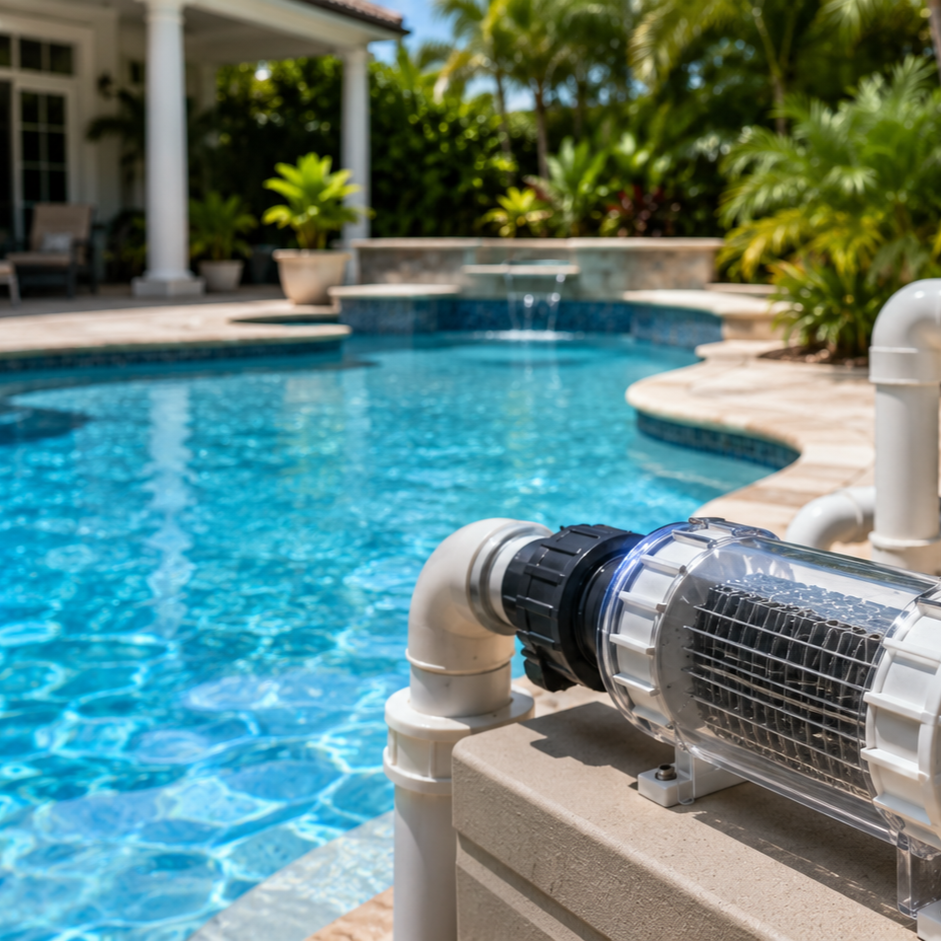
A salt water pool depends on its salt cell generating chlorine — so when the cell stops producing, the pool can quickly lose sanitation. The good news is that the causes are well understood, and several are simple to check and fix. Understanding why a salt cell stops making chlorine helps you get it generating again, or recognize when it's simply worn out.
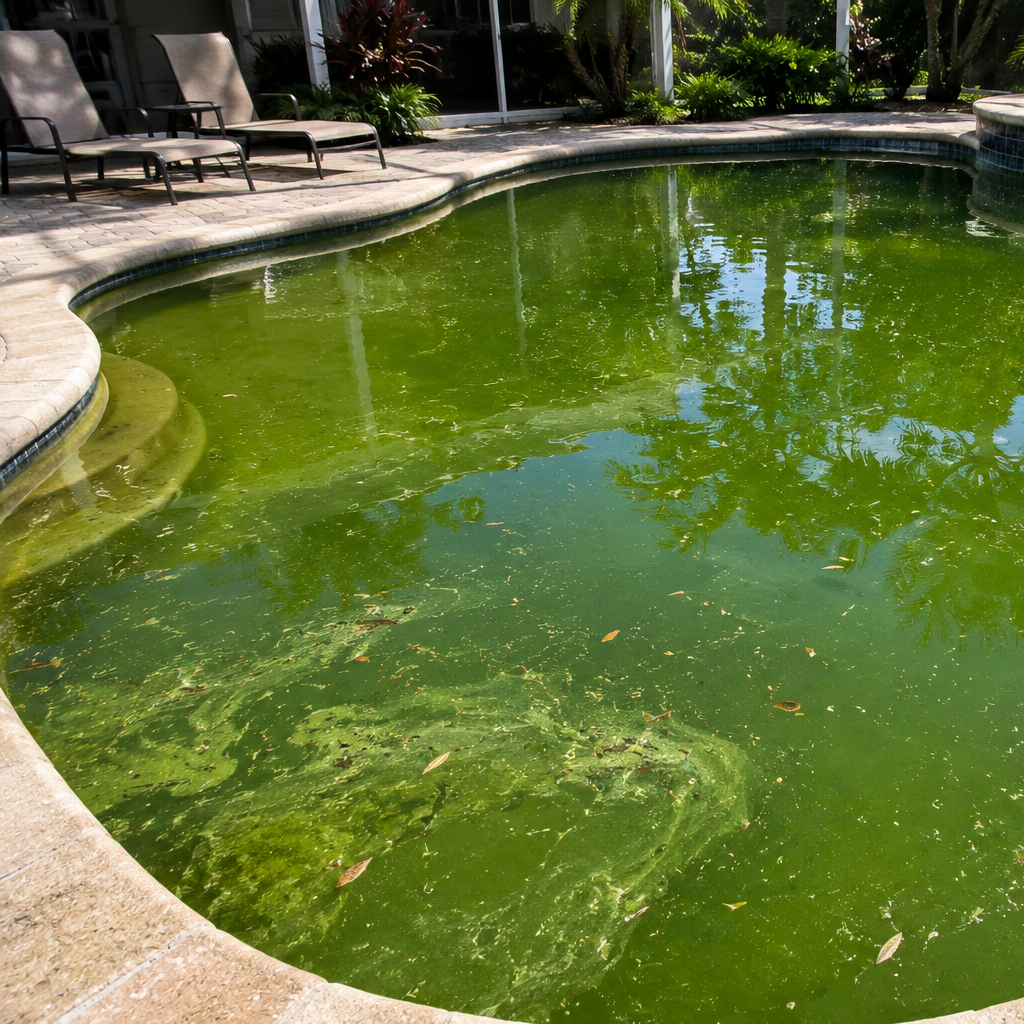
How to Rescue a Swamp-Green Pool Without Draining the Water
The pool looked fine when you left for vacation. Two weeks later, you are standing at the edge looking at something that belongs in a bayou. The water is opaque dark green, there's a slick film on the surface, and whatever scent it's giving off isn't chlorine. Your first instinct is to start draining.
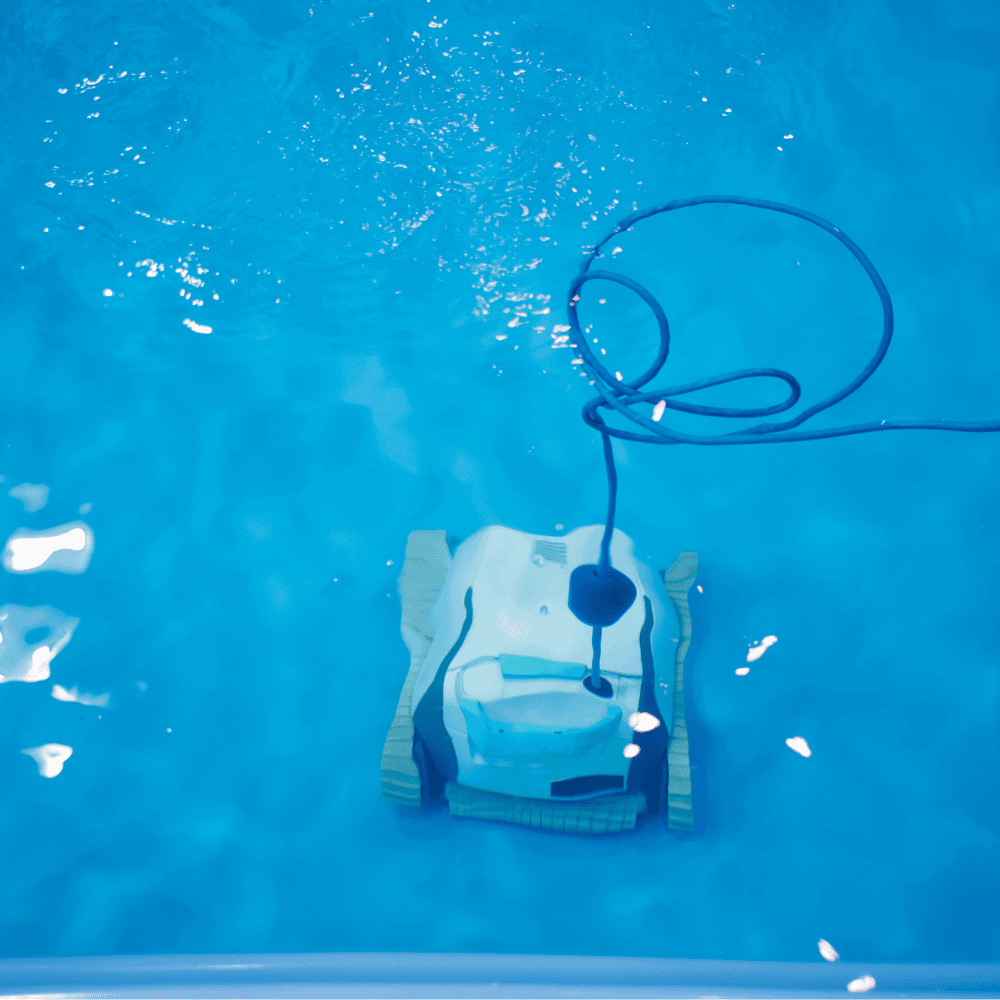
Why Is My Pool Pump Making a Grinding or Screeching Noise?
You are out on the patio when something sounds wrong. Not the usual low hum from the equipment pad — something rougher. A grinding that builds as the motor spins up, or a high-pitched screech that carries across the yard. You walk over to check, and the noise is definitely coming from the pump. The water is still moving, so you're wondering whether to leave it running or flip the breaker.
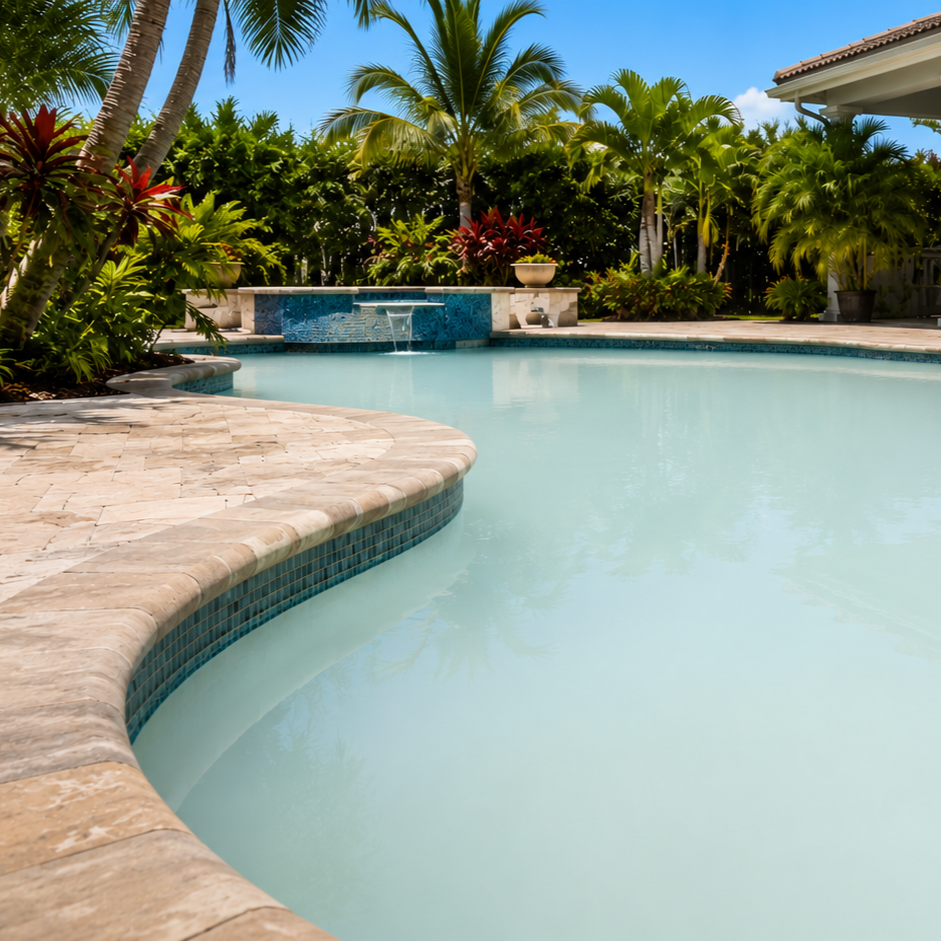
Why Your Pool Stays Cloudy Even With Balanced Chemicals
It's frustrating: you test the water, the chlorine and pH read right, and yet the pool looks like a glass of milk. That combination — balanced chemistry, cloudy water — is a strong clue that the cause isn't in your chemicals at all. A pool clears when three things work together: balanced water, good filtration, and good circulation. If the chemistry is handled, the answer is almost always in the other two, or in particles too fine for the filter to grab.
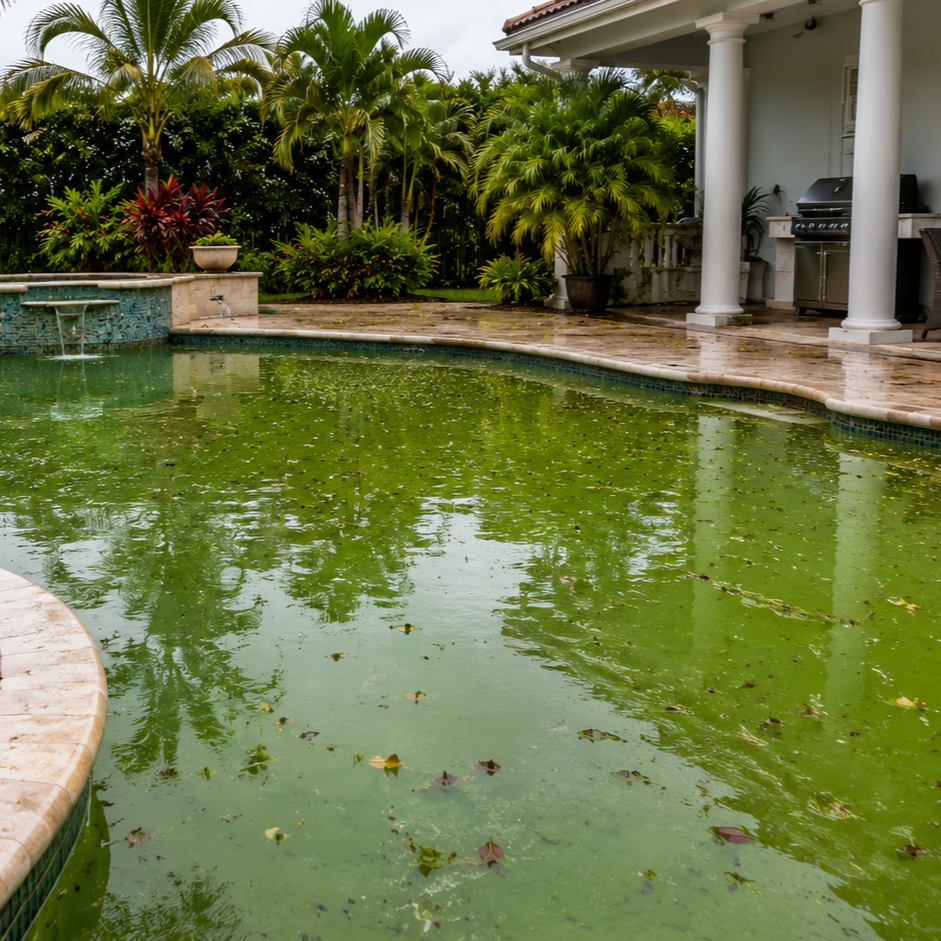
Why Your Pool Turns Green So Fast After Rain
You went to bed with a clear pool and woke up after the storm to something the color of a pond. It feels like the rain itself turned the water green, but rain is just the trigger. What actually greened your pool is algae, and the storm handed it everything it needed in a single night. Once you see the chain of events, both the speed and the fix make sense.
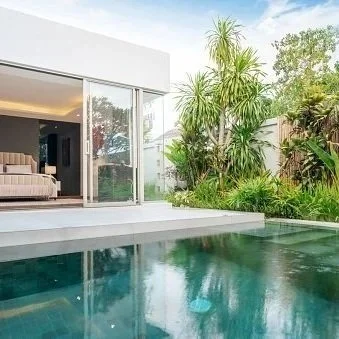
Why Is My Pool Green Even Though My Chlorine Level Is High?
You tested the chlorine 20 minutes ago. The strip read fine — maybe even a little high. The pool is still the color of split-pea soup. Something is wrong, but it isn't the number you tested.
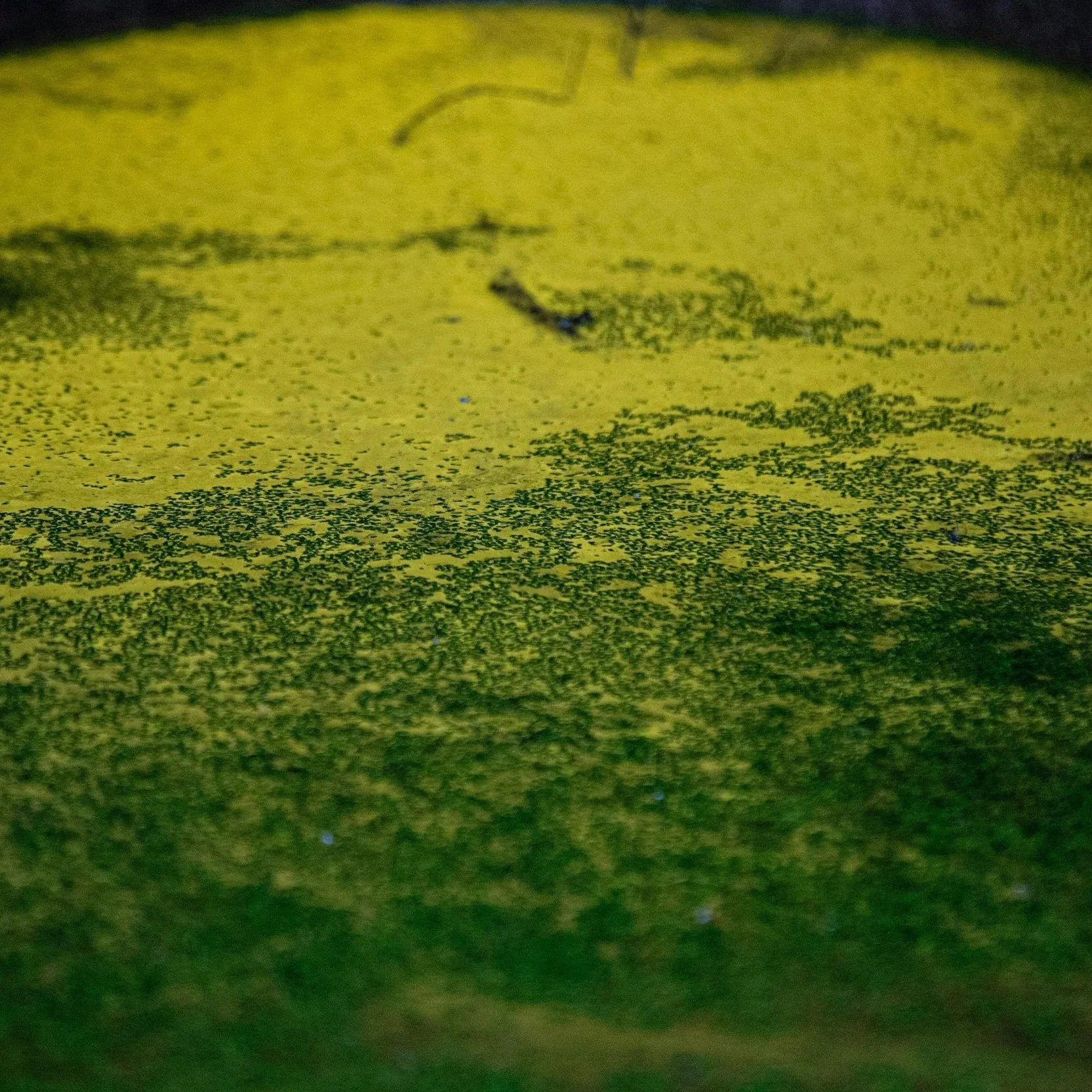
Is That Yellow Stuff in My Pool Mustard Algae or Pollen?
You walk out to your pool on a Sunday morning, and the bottom looks like something dusted it with yellow powder overnight. Maybe the walls have a pale yellow-green haze in the corners, or the water's surface has a dusty film that wasn't there last week. Before you reach for the shock or the algaecide, you need to know what you're actually dealing with — because mustard algae and pollen look nearly identical in a pool, and treating the wrong one is either a waste of money or the start of a much bigger problem.
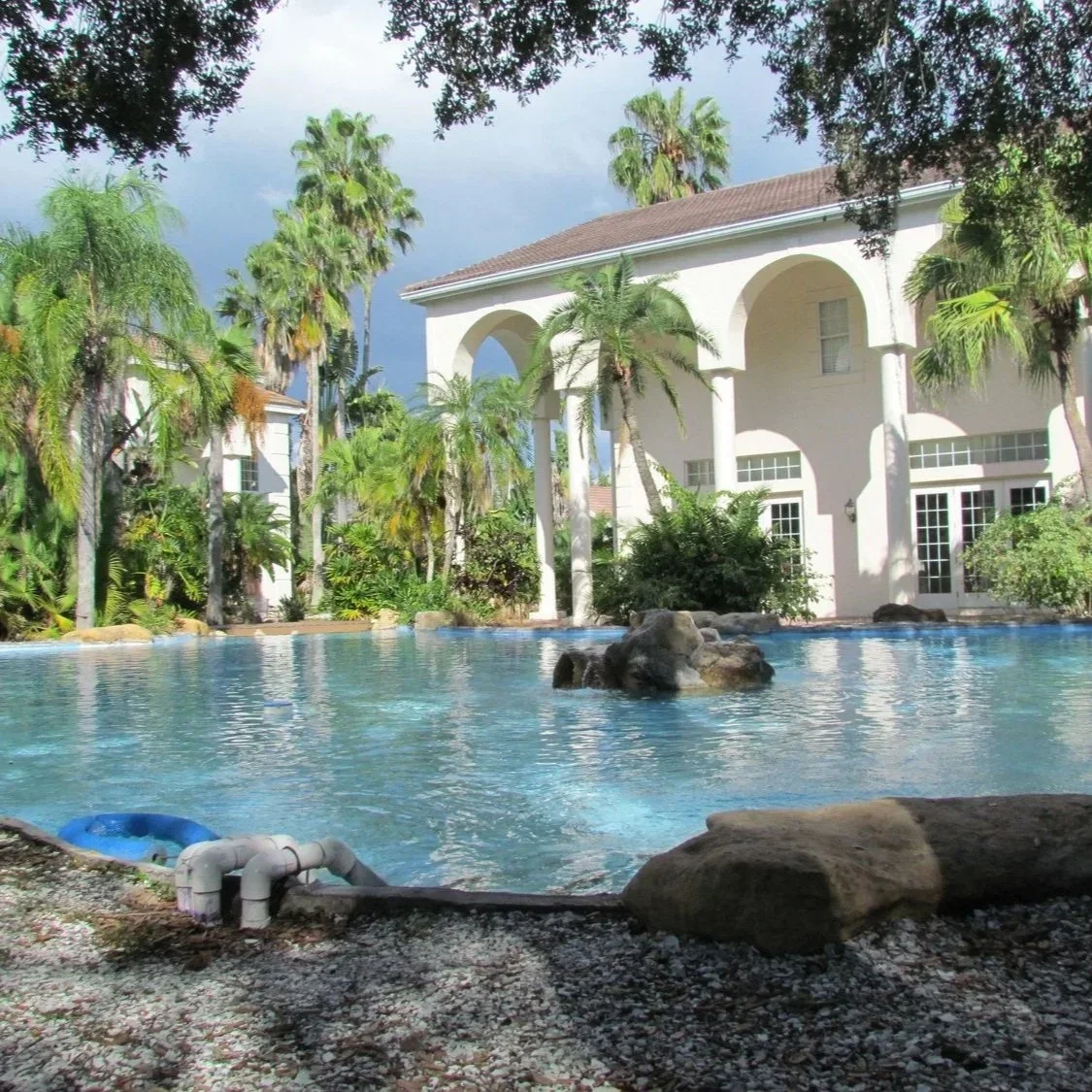
High TDS in Your Pool: When Chemicals Stop Working
A pool that has not been significantly drained in several years is almost certainly carrying a TDS burden that is affecting its chemistry behavior in ways that are hard to diagnose without knowing to look for it.
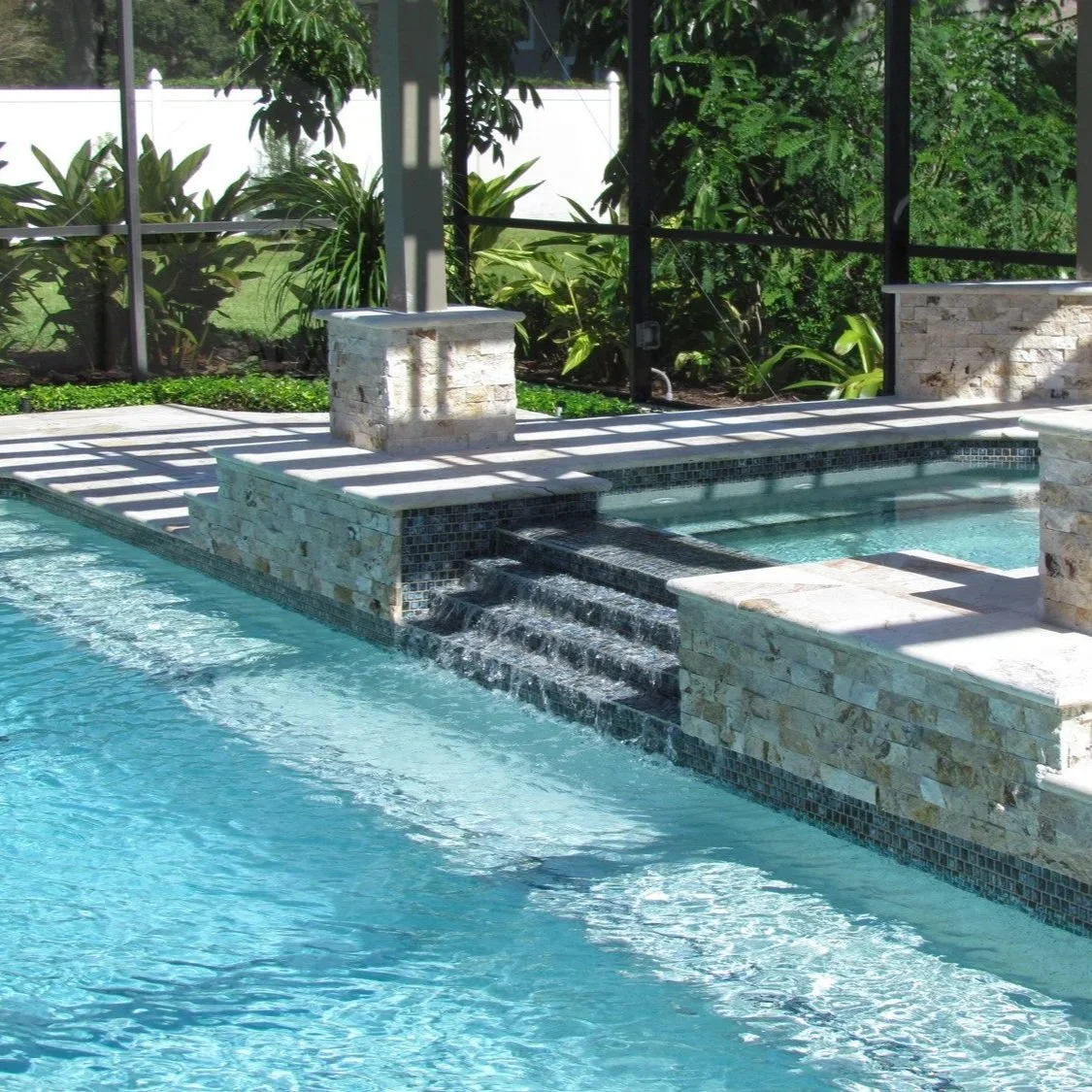
Pool Plaster vs Pebble Finish vs Quartz: Which Resurfacing Material Is Best?
You run your hand along the pool wall and feel what you've been quietly ignoring for two summers: the plaster is chalky in patches, rough near the steps, and in one corner, it's started to flake. You already know the job is coming. What you don't know yet is what you're actually deciding between when a contractor hands you three options at three very different price points.
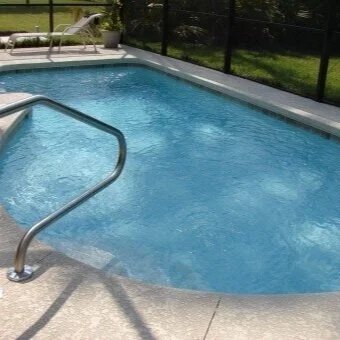
Why Does Pool Water Turn Milky White Right After Adding Shock?
You drop the shock in, watch the granules dissolve, and within ten minutes, the water goes from clear to a flat, chalky white — like someone poured a cup of milk into the shallow end. Your instinct is that you've made things worse. That instinct is almost always wrong, but understanding what just happened to your water chemistry is worth working through before you add anything else.
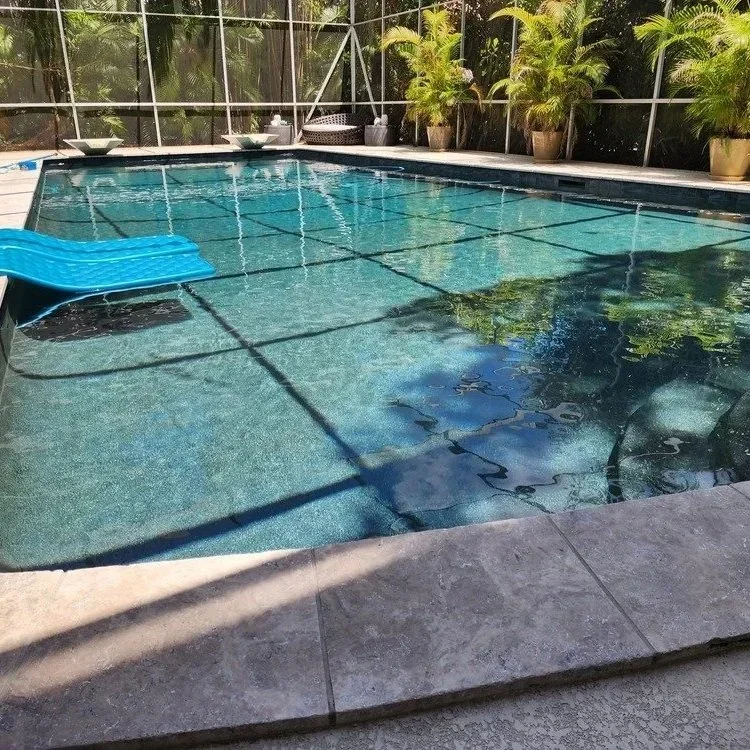
The Florida Pool Maintenance Checklist You Actually Need
Florida pool ownership has a way of punishing the improvised approach faster than anywhere else in the country, and it's because the climate here doesn't give your pool any grace period when something slips.
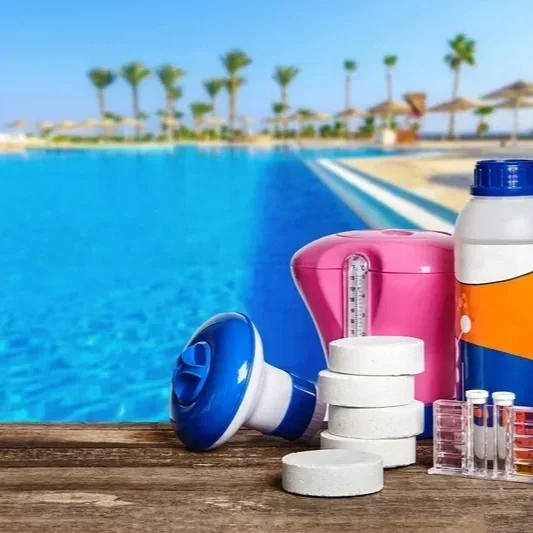
How to Safely Store Pool Chemicals to Prevent Accidents
[QUICKANSWER: Store oxidizers (chlorine tablets, shock) and acids (muriatic acid, dry acid) in completely separate, well-ventilated locations below 85°F. Keep all chemicals in their original containers, off the floor, and locked away from children. Never store calcium hypochlorite shock near trichlor tablets or muriatic acid — the combination can produce toxic gas or spontaneous combustion.]
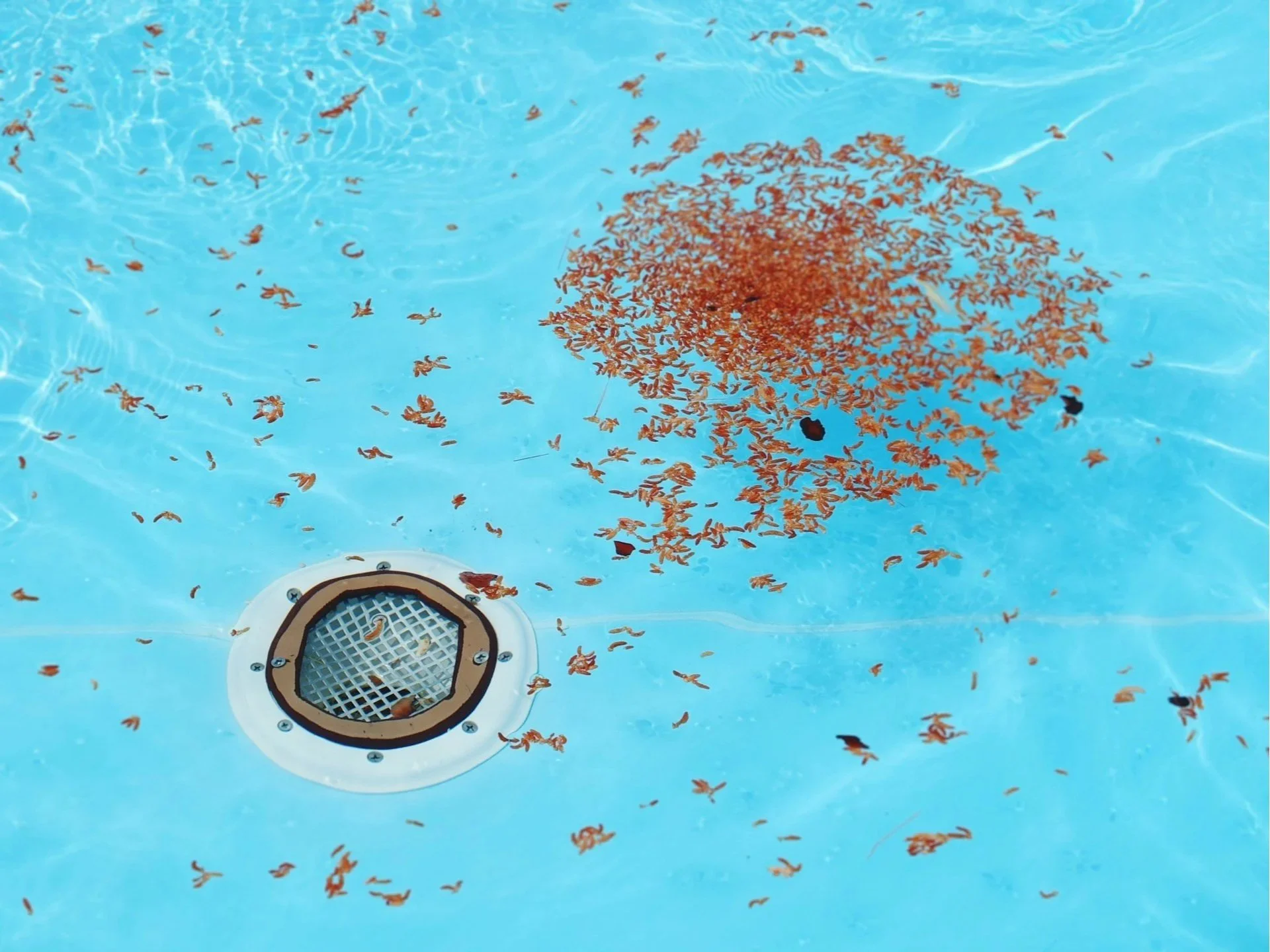
Sand Filter vs. Cartridge Filter vs. DE Filter: Which Is Best for Your Pool?
Your pool pump has been running all day. The chemical readings look fine. And the water still has that flat, slightly hazy look — not green, not visibly dirty, just not right. You add a clarifier, things clear for two days, then drift back. Before you adjust another dial or pour from another bottle, check your equipment pad. The answer might be a filter that's letting particles slip through that it should actually be catching.
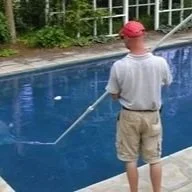
What Does a Professional Pool Cleaning Service Actually Do on Each Visit?
You saw the truck pull up, watched someone work for twenty minutes, and waved as they drove off. The water looks roughly the same as it did before. Was everything covered? Did they brush the walls? Did they actually test the chemistry or just eyeball it? That uncertainty is worth clearing up — because a thorough pool service visit and a rushed one look nearly identical from the pool deck.
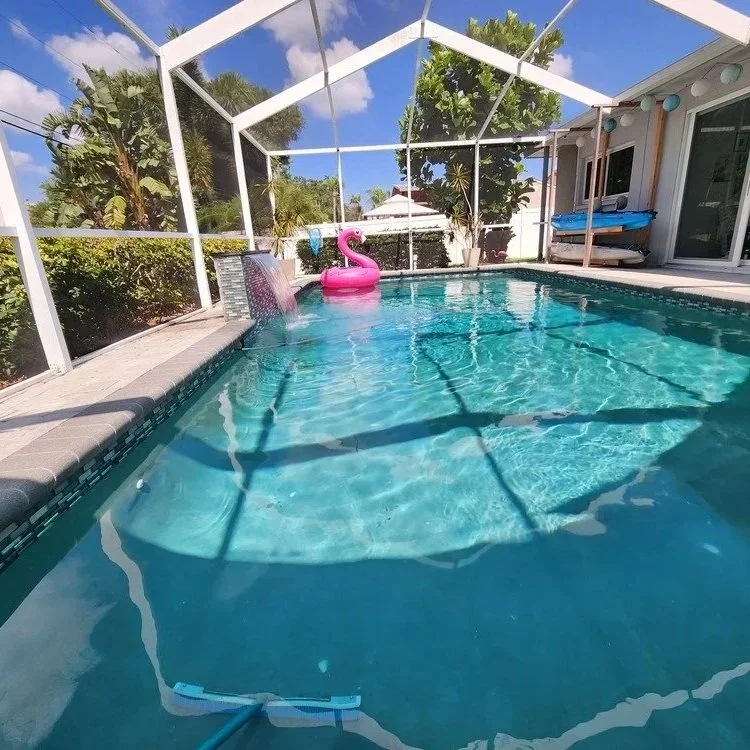
Hot Weather Cools Down Fast with a Clean Pool
Whether it's keeping your water sparkling clear or preventing issues before they become problems, staying on top of pool maintenance is key to keeping your pool a cool sanctuary in the hot weather.

How Long Should You Wait to Swim After Adding Pool Chemicals?
The kids are lined up at the pool deck, and you finished adding chemicals. The water looks fine. Twenty minutes have passed. Someone is already asking if it's ready. The problem is you're not sure — the bag said something about chlorine levels, but the numbers didn't mean much, and the wait time listed felt like a warning label written by a lawyer rather than a pool tech.
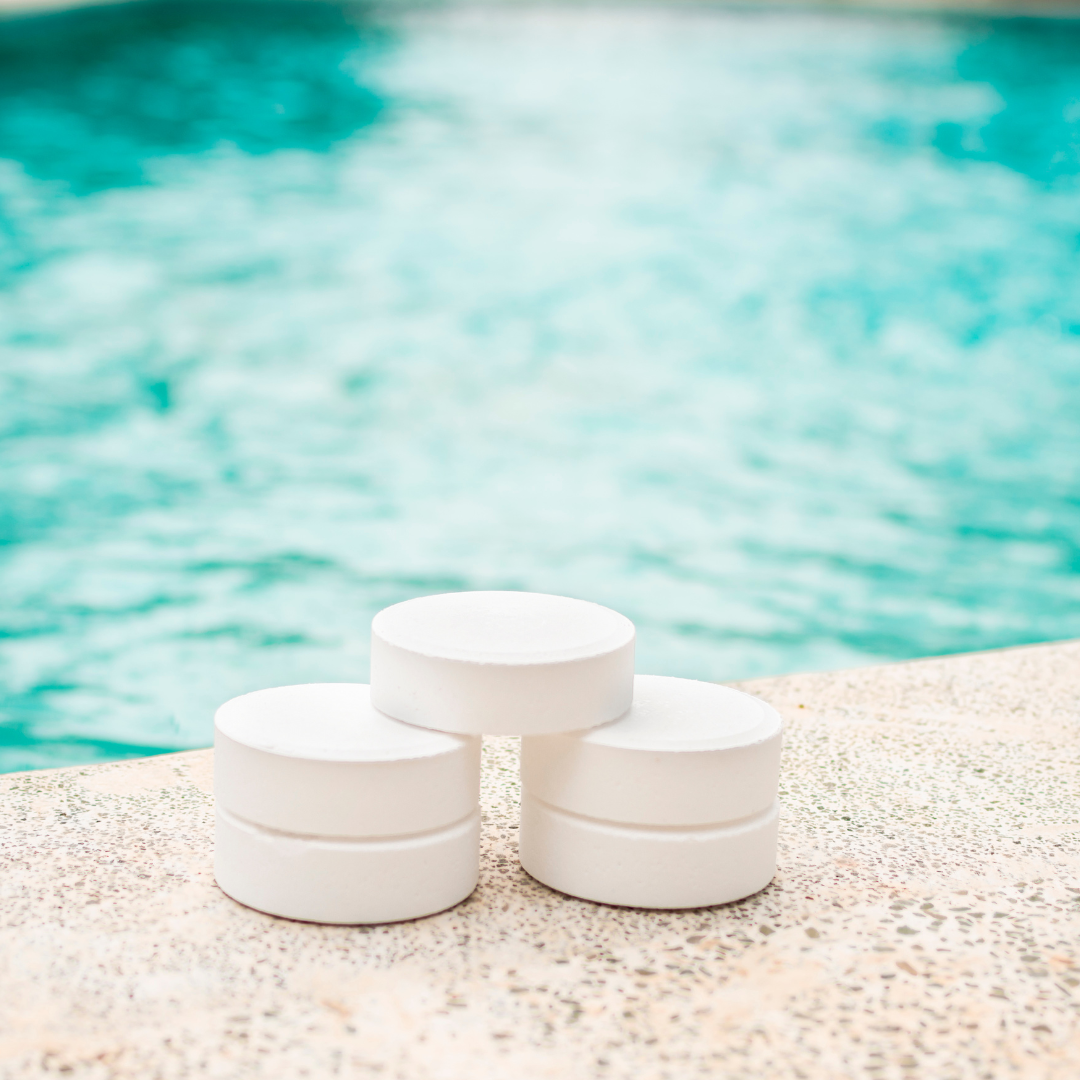
Why High Cyanuric Acid Makes Pool Chlorine Stop Working
You have been adding chlorine for days. Your test strip shows 3 or 4 ppm — fine on paper — but the water has that familiar haze to it, the steps are getting slippery, and a faint green tinge is spreading across the shallow end. You shock the pool. Nothing changes the next morning. The pool just shrugs you off.
Filters Have Feelings Too
Day after day, it catches the mess without complaint. But filters have limits. Even the toughest ones deserve a little appreciation and, more importantly, proper maintenance.