
Salt Cell Not Producing Chlorine? What’s Going On
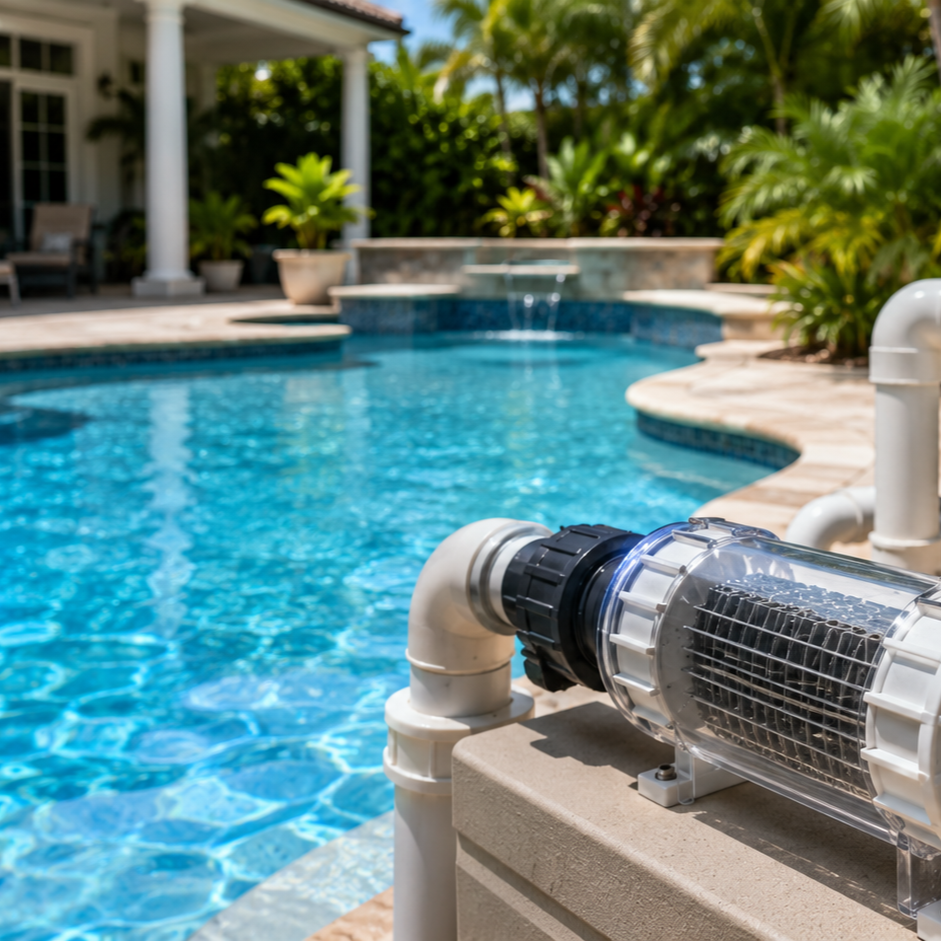
Quick Answer: When a salt cell stops producing chlorine, the usual causes are scale buildup on the cell plates (very common in hard water), a low salt level so there isn't enough salt to convert, a cold water temperature that reduces or stops production, a worn-out cell that has reached the end of its life, or an electrical or flow issue stopping the generator from running. The first things to check are the salt level and whether the cell plates are coated in white calcium scale. Cleaning the cell and correcting the salt level fix many cases, but an old cell may simply need replacing. Cells have a finite lifespan and wear out over time.
A salt water pool depends on its salt cell generating chlorine — so when the cell stops producing, the pool can quickly lose sanitation. The good news is that the causes are well understood, and several are simple to check and fix. Understanding why a salt cell stops making chlorine helps you get it generating again, or recognize when it's simply worn out.
How the Salt Cell Works
The salt cell (salt chlorine generator) is the part that makes chlorine in a salt water pool. As salty water flows through the cell, an electric current passing across metal plates converts the dissolved salt into chlorine. For this to work, a few things have to be right: enough salt in the water, clean plates that can do the conversion, water flowing through the cell, the right conditions, and a cell that isn't worn out. When the cell stops producing chlorine, one of these has gone wrong — so diagnosing it means checking each.
Cause One: Scale Buildup on the Cell
The most common reason a salt cell stops producing, especially in hard water, is scale buildup. Calcium and minerals from the water deposit as white, crusty scale on the cell's metal plates over time. That scale coats the plates and interferes with the electrical process that generates chlorine, reducing or stopping production. If you inspect the cell and see white calcium buildup on the plates, scale is the likely culprit. Cleaning the cell to remove the scale — carefully, with the proper method — often restores production. In hard water, this cleaning is needed periodically as part of salt system maintenance.
Cause Two: Low Salt Level
The cell needs enough dissolved salt to convert into chlorine. If the salt level in the pool is too low, the cell can't produce chlorine properly, and many systems will signal a low-salt condition and reduce or stop generation. Salt levels drop over time from dilution (rain, splash-out, backwashing) and adding fresh water, so a low salt level is a common and easily corrected cause. Testing the salt level and bringing it into the proper range for your system often gets the cell producing again. It's one of the first things to check.
| Cause | What's happening |
|---|---|
| Scale buildup on plates | Calcium coats plates, blocks chlorine production |
| Low salt level | Not enough salt for the cell to convert |
| Cold water temperature | Cold reduces or stops production |
| Worn-out cell | Cell has reached end of its lifespan |
| Electrical or flow issue | Generator not running or no flow through cell |
Cause Three: Cold Water
Salt cells are affected by water temperature. When the water gets cold — below a certain point — chlorine production drops significantly or stops, because the generation process is temperature-dependent. Many salt systems automatically reduce or shut off production in cold water to protect the cell. So if your cell isn't producing during a cold spell, low water temperature may simply be the reason, and production resumes as the water warms. This is normal behavior rather than a fault, though it matters for keeping a pool sanitized in cooler weather.
Cause Four: A Worn-Out Cell or Other Issues
Salt cells don't last forever — they have a finite lifespan and gradually wear out with use, eventually producing less chlorine until they need replacement. If your cell is old and has been cleaned and the salt is correct, but it still won't produce, it may simply have reached the end of its life. Beyond the cell itself, electrical problems or flow issues can stop the generator: if the system isn't receiving power, has a fault, or water isn't flowing through the cell (a flow or circulation issue), it won't generate chlorine. These point to the system or plumbing rather than the cell chemistry. Checking that the generator is powered and water is flowing is part of the diagnosis.
Start with the two easiest checks: test the salt level, and inspect the cell plates for white scale buildup. Low salt and a scaled cell are the two most common reasons a salt cell stops producing, and both are correctable — adding salt or cleaning the cell. Rule these out before assuming the cell needs replacing.
Getting It Producing Again
The fix depends on the cause, so diagnosis comes first. Test and correct the salt level, inspect and clean the cell if it's scaled, and consider water temperature if it's cold. If those don't resolve it, check that the generator is powered and water is flowing, and consider the cell's age — an old, worn cell may need replacing. Because cleaning a cell improperly can damage it, and because a worn cell needs the right replacement, a pool professional can diagnose why your cell isn't producing, clean or service it correctly, and advise whether it can be restored or has reached the end of its life. Getting chlorine production restored is important for keeping the pool safely sanitized.
Frequently Asked Questions
Common causes are scale buildup on the cell plates (especially in hard water), a low salt level, cold water temperature reducing production, a worn-out cell at the end of its life, or an electrical or flow issue stopping the generator. The first things to check are the salt level and whether the plates are coated in white calcium scale, as those are the most common and correctable causes.
Inspect the cell plates — if you see white, crusty calcium scale coating them, the cell needs cleaning. That scale interferes with chlorine production. In hard water, this buildup happens periodically and is a normal part of salt system maintenance. Cleaning the cell carefully with the proper method removes the scale and often restores production. A coated cell is a common reason for stopped production.
Yes. The cell needs sufficient dissolved salt to convert to chlorine, so if the salt level is too low, it can't produce properly. Many systems reduce or stop generation and signal a low-salt condition. Salt levels drop over time due to rain, splash-out, and the addition of fresh water. Testing and correcting the salt level often gets the cell producing again, so it's one of the first things to check.
Yes. Chlorine production in a salt cell is temperature-dependent, and when the water gets cold, below a certain point, production drops significantly or stops. Many salt systems automatically reduce or shut off production in cold water to protect the cell. So during cold weather, low water temperature may be why the cell isn't producing, and it resumes as the water warms — this is normal behavior.
Salt cells have a finite lifespan and gradually wear out with use, eventually producing less chlorine until they need replacement. The exact lifespan varies with usage, water conditions, and maintenance. If a cell is old and still won't produce after cleaning and correcting the salt, it may simply have reached the end of its life and needs replacing. Proper maintenance helps a cell last its full lifespan.
If you've checked the salt level, cleaned the cell, and considered water temperature, but it still won't produce, or you're unsure, a pool professional can help. They can diagnose the cause — including electrical or flow issues and cell age — clean or service the cell correctly, and advise whether it can be restored or needs replacing. Since improper cleaning can damage a cell, professional service helps avoid that.
A salt cell that's not producing chlorine usually comes down to a few causes — scale on the plates, low salt, cold water, a worn cell, or an electrical or flow issue. Start with the easy checks: test the salt and inspect the plates for white scale, since those are the most common and fixable. If cleaning and correcting the salt don't help and the cell is old, it may need replacing. Restoring production keeps your pool properly sanitized.
Salt cell not making chlorine? — Get it diagnosed, cleaned, or replaced so your pool stays properly sanitized. Dog Days Pools serves Clearwater and Pinellas County. CPC1460480. Call (727) 205-0566.
