

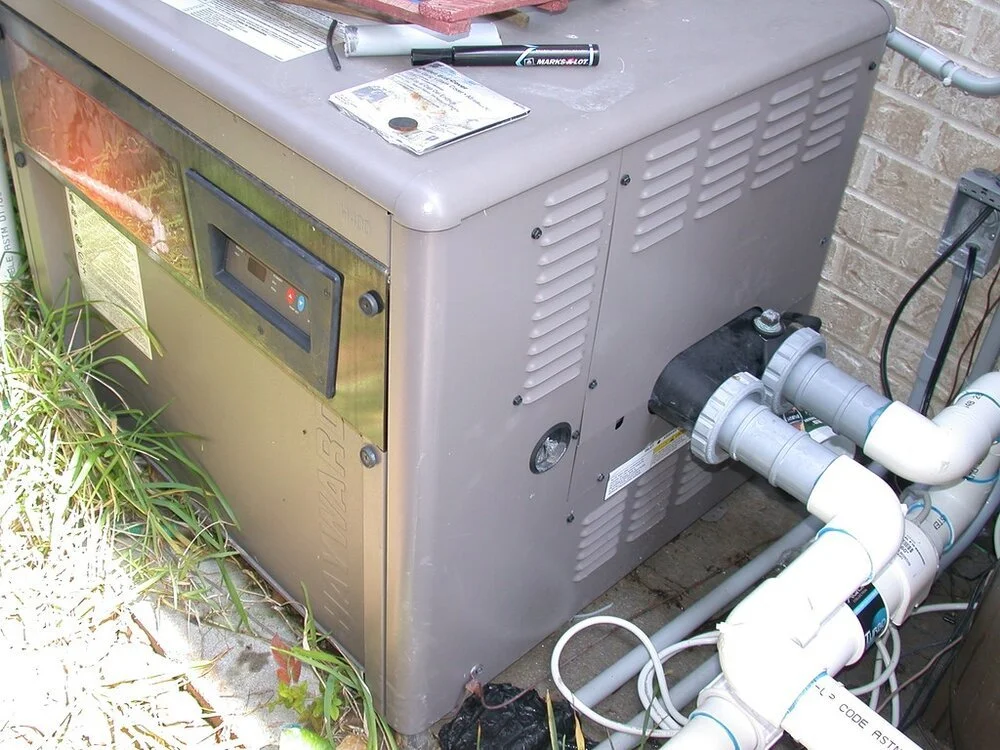
QUICKANSWER: Running a pool pump dry causes rapid heat buildup that destroys the shaft seal within minutes. The damage spreads to the impeller and, if the pump keeps running, water floods the motor. Shut it off immediately, let it cool, find the cause of the water loss, and have it inspected before running it again.
You heard the noise from across the yard — a high-pitched whine from the pump pad, different from the usual motor hum. By the time you got out there, the smell hit you first: hot plastic, faintly like a burned toy. The pump was running. The basket was dry. This is what dry-running looks like in real time, and by the time you notice it, the damage has often already begun.This is what dry-running looks like in real time, and by the time you notice it, the damage has often already begun.
Pool pumps are not designed to move air. Every component inside the wet end — the impeller, the shaft seal, the housing — counts on water flowing through it for lubrication and cooling. When that water stops, friction and heat take over, and a pump that runs for even a few minutes without water can suffer damage that would have taken years to cause through normal wear.
Why Water Is What Keeps a Pump Alive
The motor on your pool pump generates heat as it runs. Under normal conditions, the water flowing through the wet end carries that heat away. The shaft seal — a small but critical component where the motor shaft meets the pump body — needs constant water contact to stay cool. Without it, the seal face heats up from friction within seconds.
At temperatures above about 140°F, the mechanical seal on a residential pool pump begins to fail. The rubber components warp. The seal faces lose their tight contact and start leaking. Once the seal goes, water can enter the motor, which means the pump that survived the dry run may fail within days or weeks from internal corrosion — even if you caught the event early and shut it off.
The impeller is the spinning component that actually moves water. It sits inside the pump housing and is precisely sized to run submerged. When it spins in air instead of water, two things happen: it heats up without any cooling, and it can crack or warp from the thermal stress. Polycarbonate and thermoplastic impellers — the materials in most residential pool pumps — don't hold up to sustained dry heat. A pump that runs dry for ten minutes may restart when you add water, but the damage inside is already done.
How Fast the Damage Happens
This is where most pool owners get caught off guard. Dry-run damage is not a slow process — it's measured in minutes, not hours. The shaft seal starts degrading in under five minutes at normal operating temperatures without water. Impeller damage from heat can begin in the same window.
In Florida's climate, that timeline is tighter. Clearwater pool equipment sits in direct sun for much of the year. A pump pad baking at 100°F in the afternoon before the pump even starts is already beginning at a disadvantage. When a hot motor runs dry in those conditions, internal temperatures spike faster than they would for a pump sitting in a shaded Northern backyard. What might take ten minutes of dry-running to destroy in a cooler climate can happen in five minutes during a Florida summer afternoon.
Running a pump dry once may not destroy it instantly. Running it dry repeatedly — even for short intervals — will shorten its lifespan significantly. The cumulative thermal stress from each event degrades the seal and impeller materials until a complete failure eventually follows.
What Actually Gets Destroyed First
| Component | What Happens Without Water | Typical Repair Cost |
|---|---|---|
| Shaft seal | Overheats, warps, starts leaking water into the motor | $50–$150 parts and labor |
| Impeller | Cracks, chips, or warps from thermal stress | $40–$120 parts and labor |
| Pump housing | Can warp or crack under sustained heat | $80–$200+ parts and labor |
| Motor windings | Water intrusion from a failed seal corrodes and burns out the motor | $300–$600+ motor replacement |
The shaft seal is almost always the first casualty. Once it fails, water enters the motor — and that's when a recoverable repair becomes an expensive motor replacement. Catching a dry-run event early and replacing the seal before water reaches the motor is a far cheaper outcome than finding out the motor is gone.
What Causes a Pump to Run Dry
Understanding why pumps lose water is the first step to preventing it. The most common cause in Florida pools is a water level that drops below the skimmer mouth. When the skimmer can no longer draw water, it starts pulling air. In Pinellas County, where summer evaporation rates are high and pools see heavy use, water levels can drop an inch or more per week in peak heat — enough to cause skimmer air-pulling if the pool isn't topped off regularly. Keeping the water line at the midpoint of the skimmer opening is the simplest insurance against this.
A clogged skimmer basket produces the same result from a different direction. When the basket is packed with leaves, pine needles, or storm debris, suction drops at the skimmer. The pump compensates by working harder and pulling air around whatever is restricting flow. This is why cleaning the skimmer basket after wind events matters — it isn't just about aesthetics.
Air leaks on the suction side cause dry running even when the pool is completely full. A cracked lid O-ring on the pump basket, a loose skimmer throat, or a deteriorating union fitting can let air into the suction line. The pump pulls that air into the chamber, loses prime, and runs dry while the pool sits at the perfect water level. This type of failure is harder to diagnose because everything looks normal from the deck.
Finally, a closed or partially closed suction valve will starve the pump of flow outright. This happens when someone adjusts the multiport valve position and forgets to reopen the suction line, or when a valve shifts over time from vibration.
Warning Signs Worth Paying Attention To
Unusual noise- A pump operating normally has a steady hum. A pump drawing air produces a higher-pitched whine, a chattering sound, or an intermittent cavitation noise resembling gravel in a clothes dryer. If the sound changes from one day to the next, something in the system has changed.
Motor running but no water flow- If the jets in your pool are weak or still while the pump motor is clearly on, the pump has lost prime. Look through the pump basket lid — you should see water actively swirling inside. A basket with no water movement means nothing is flowing.
Burnt plastic smell near the equipment pad- This means damage has already started. Heated polycarbonate and rubber seals have a distinct smell, similar to that of a hot appliance. If you catch that smell near the pump, shut the system off immediately and let it cool before doing anything else.
Pump basket more than half-filled with air bubbles- Some air in the basket is normal at startup. A basket that stays more than half air during operation, or one where the water level inside drops while the pump runs, is pulling significant air from somewhere in the system.
Housing unusually hot to the touch- Pump housings get warm during normal operation, but they shouldn't be painful to hold your hand against. An unusually hot housing — especially early in the run cycle — can indicate restricted or absent water flow through the wet end.
What to Do When You Catch It
Shut the pump off immediately. Don't try to top off the pool and restart it right away — let the pump cool down for at least 15–20 minutes. Restarting a thermally stressed pump before it cools risks worsening whatever damage has already occurred.
Once it's cool, check the pool water level first. If the surface sits at or below the skimmer mouth, add water before doing anything else. Then check the skimmer basket and pump basket for debris. Check the pump basket lid O-ring for cracks, flattening, or displacement. Check all visible suction-side fittings for hairline cracks.
Before restarting, fill the pump basket to the brim with water using a garden hose. Replace the lid and hand-tighten it firmly. This manual priming gives the pump something to work with immediately instead of spinning in residual air. Then start the pump and watch the basket — you should see water fill the chamber within 30–60 seconds. If it stays dry or the pump loses prime again immediately, the suction-side problem hasn't been resolved.
If the pump restarts and runs normally after you address an obvious cause — low water or a clogged basket — watch it closely for the next several days. Look for water dripping from just behind the wet end, below where the motor shaft enters the pump body. That's where a leaking shaft seal shows up. Also listen for any change in the motor sound. A pump that ran dry for more than a few minutes deserves a professional inspection even if it seems fine, because seal damage doesn't always announce itself immediately.
WARNING
If the pump motor hums but won't turn after a dry-run event, don't keep running it. A seized or burned motor that's forced to run will draw excess current and can trip the breaker — or cause a wiring failure. Turn the system off and have it inspected before operating it again.
How to Prevent It
Keeping the water level at the right height is the most effective prevention. The surface should sit at the midpoint of the skimmer mouth — not so low that the skimmer draws air, not so high that water bypasses the skimmer entirely. In Florida summers, this means checking the level weekly and topping off as needed.
Cleaning the skimmer basket after storms or heavy wind events keeps suction clear. Inspecting the pump basket O-ring during routine maintenance prevents air leaks at one of the most common failure points. It's a $5–$15 part that prevents hundreds of dollars in pump damage when replaced before it fails.
Variable speed pumps, which are now standard on most Florida pools, are more vulnerable to undetected dry running than older single-speed models. They can run at low speeds where flow loss is quieter and harder to notice. Some variable speed models include a dry-run protection setting that shuts the motor off when flow drops below a set threshold — worth checking if your pump has this feature and whether it's enabled.
Frequently Asked Questions
It depends on how long it ran and what was damaged. A pump that ran dry for two or three minutes with no burnt smell, no unusual noise afterward, and no visible leak at the shaft seal may survive without repair. A pump that ran long enough to produce a smell or heat the housing noticeably has almost certainly damaged the shaft seal and should be inspected. Even if it restarts normally, a compromised seal will eventually leak water into the motor — sometimes within days, sometimes over weeks.
The clearest sign is water dripping from the back of the pump housing, just behind the wet end and in front of the motor. This drip appears exactly where the motor shaft passes through the pump body. Any water near the motor that wasn't there before is worth addressing quickly, because water and motor windings don't coexist for long.
Most residential pool pumps begin sustaining meaningful seal damage within five to ten minutes of running dry at full speed. In hot ambient conditions — like a south-facing equipment pad in a Florida summer — that window can be shorter. There's no safe dry-run duration to aim for; the risk starts the moment water stops flowing through the wet end.
Recurring prime loss usually points to a persistent air leak on the suction side — a deteriorated pump basket O-ring, a cracked lid, a loose skimmer fitting, or a failing union. If adding water fixes the problem once but it keeps coming back, the pool level isn't the real cause. A pool technician can pressure-test the suction line to locate air intrusion that isn't visible from the surface.
If the damage is limited to the shaft seal or impeller and the motor is still sound, repair is almost always the right choice. Seal and impeller replacements are relatively inexpensive. If water reached the motor — indicated by a motor that hums but won't turn, a tripped breaker, or grinding coming from the motor — replacement is often more cost-effective than a motor rebuild, particularly on a pump that's more than six or seven years old.
No. If the pump is pulling air, it will run dry at any speed. Low-speed operation on a variable speed pump actually makes dry running harder to detect, because the noise changes are more subtle. What prevents dry running is ensuring the pump always has an adequate, unobstructed water supply — not adjusting the run speed.
The Repair Window Is Shorter Than It Seems
A pump running dry is not a problem you can revisit tomorrow. By the time the smell reaches you, the seal is already failing. The best outcome — shutting it off immediately, finding the cause, and replacing the seal the same day — costs a fraction of what a motor replacement runs. The worst outcome, the one that plays out when the dry-run event gets missed entirely, is a flooded motor and a full pump replacement.
Keep the water level up, clean the baskets after storms, and replace the O-ring on the pump lid before it looks like it needs it. Those three habits cover the most common causes of dry running in Florida pools.
Dog Days Pools provides professional pool pump repair and replacement in Clearwater, Safety Harbor, Palm Harbor, Dunedin, Oldsmar, and throughout Pinellas County, including weekly pool cleaning, green pool treatment, and full-service pool repairs. Our techs catch the warning signs before a dry-running pump turns into a costly motor replacement — and keep your equipment running the way it should. Chemicals are included with every visit — no contracts. Schedule your service today by calling (727) 205-0566.