

Tiles Fade and Grout Crumbles Without Regular Brushing
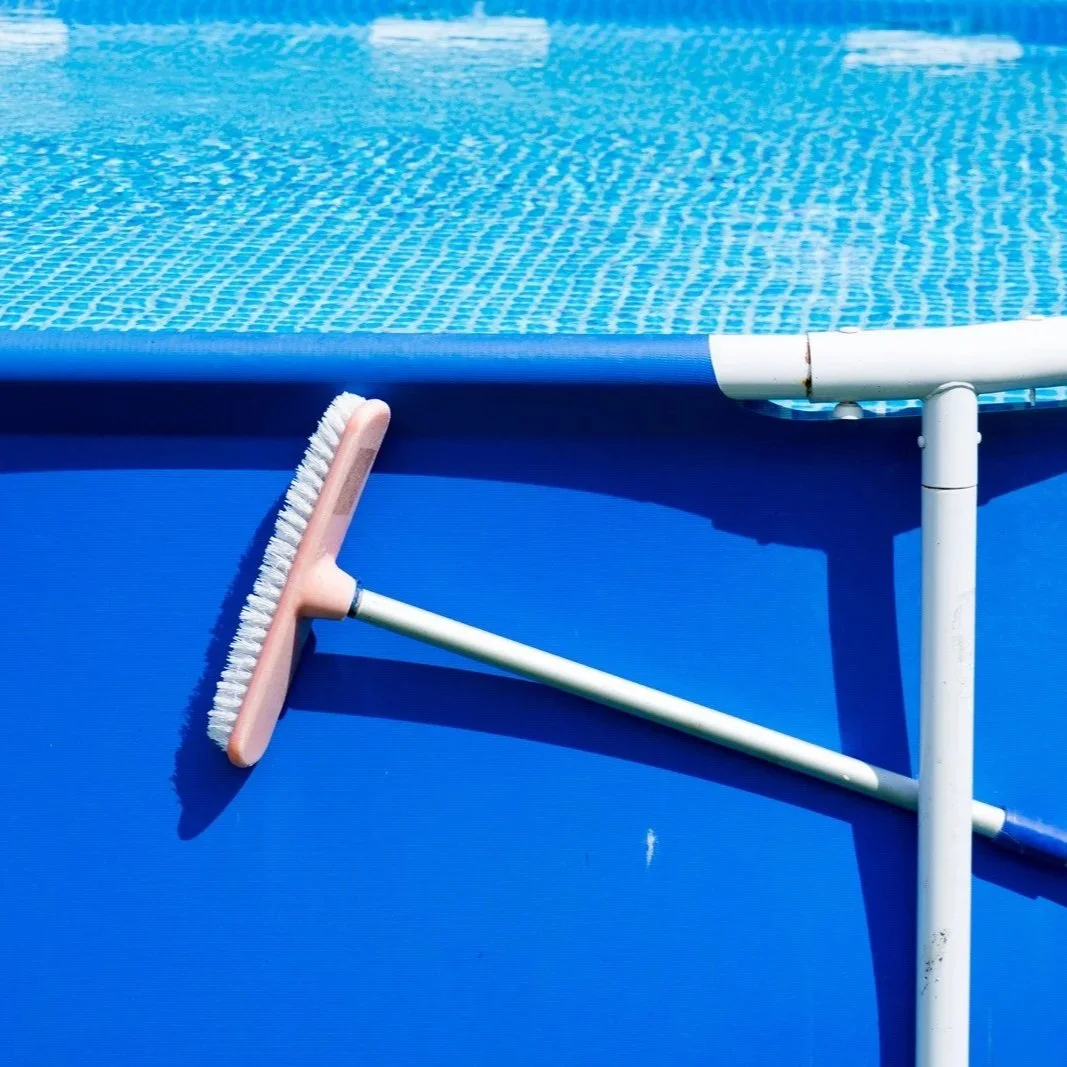
Regular brushing isn't just about aesthetics; it's about preserving your pool's surfaces and keeping them functional and beautiful for years to come.
When it comes to pool care, keeping the tiles and grout in good shape is often one of the most overlooked aspects. After all, who wants to think about scrubbing tiles when you could be lounging by the pool, soaking up the sun? However, neglecting this simple task can lead to faded tiles and crumbling grout—problems that can be costly to fix and seriously affect the overall look and feel of your pool. Regular brushing isn't just about aesthetics; it's about preserving your pool's surfaces and keeping them functional and beautiful for years to come.
Why Tile Care Matters
The tiles around your pool enhance the area's overall aesthetic. Whether they're part of the pool's interior or the surrounding deck, the tiles help create a polished, cohesive look. But even the most beautiful tiles can lose their charm over time if they aren't properly maintained. As pool water evaporates, minerals, chemicals, and debris often get left behind, causing buildup on your tiles. Without routine cleaning, this buildup can lead to fading, discoloration, and staining. In addition, certain chemicals used to maintain pool water can deteriorate tile surfaces if left unchecked. Regular brushing helps remove this debris and buildup before it becomes a major problem.
One of the main culprits of tile wear and tear is calcium deposits. When calcium levels in the water get too high, white streaks or spots can appear on the tiles. Over time, these mineral deposits can create unsightly marks that are hard to remove, and the more they accumulate, the more difficult it becomes to keep your tiles looking fresh. Regular brushing of tiles, especially around the waterline, helps prevent this buildup and keeps them from looking dull and faded.
Why Grout Needs Attention
Grout plays an equally important role in maintaining your pool's appearance and functionality. It's the substance that holds the tiles in place and gives the pool its finished, cohesive look. But grout isn't invincible. Over time, exposure to water, chemicals, and the elements can force it to crack, crumble, or fade. When grout becomes damaged, it leaves gaps that allow water to seep behind the tiles, leading to costly repairs. Moreover, if the grout is dirty or stained, it can take away from the pool's overall aesthetic. Regular brushing is key to preventing grime and dirt buildup, which can cause grout to deteriorate faster than it would with proper care.
Regular brushing helps maintain the integrity of the grout by removing dirt, debris, and algae growth that can infiltrate and break it down. Algae is particularly troublesome because it can grow in the porous spaces of the grout and, over time, it can weaken it. Keeping the grout clean prevents algae growth and reduces the likelihood of it deteriorating.
Benefits of Regular Brushing
The most obvious benefit of regular brushing is the appearance of your pool. Keeping your tiles bright and your grout intact helps maintain the overall look of your pool, which is essential for keeping your space inviting and attractive. Whether you're hosting a pool party or simply enjoying a quiet afternoon, there's nothing quite like the sparkle of well-maintained pool tiles and grout.
But the benefits go beyond aesthetics. Regular brushing extends the life of both your tiles and grout. When dirt, debris, and minerals accumulate, they slowly wear down surfaces, causing errosion. Regularly brushing tiles and grout prevents this buildup from damaging your pool's surfaces, saving you time and money in the long run.
Regular brushing also contributes to the overall cleanliness of your pool. The pool's filtration system can only do so much to remove debris. While it handles the bulk of the work, brushing the tiles and grout helps dislodge particles that the filter may miss. This keeps your pool water cleaner, healthier, and more inviting.
Choosing the Right Tools for the Job
Brushing pool tiles and grout requires the right tools to get the job done efficiently. While it's tempting to grab any old brush, there are tools best suited for the task. A long-handled pool brush with sturdy bristles will let you reach all areas around the waterline and scrub them effectively. For grout lines, choose a brush with stiff bristles to verify that dirt and grime are properly removed.
When it comes to cleaning products, there are plenty of options available. While a mild pool cleaner may be effective for light cleaning, stubborn stains or mineral buildup might require a specialized cleaner. For calcium deposits, a vinegar solution can be an excellent natural option for breaking down the buildup without damaging your tiles. Just make sure to evade harsh chemicals that could harm the grout or tiles. Always follow the manufacturer's recommendations for cleaning products and tools.
How Often Should You Brush?
How frequently you need to brush your pool's tiles and grout depends on several factors. If your pool is used often or is located in an area with more debris and dust, brushing once or twice a week is ideal. However, if your pool is only used sparingly or is covered when not in use, you may be able to brush it less frequently. Regardless, it's always a good idea to give the tiles and grout a thorough brushing at the start of each pool season to remove any winter buildup and prepare the pool for use.
Brushing the tiles and grout is also essential if you notice any discoloration or buildup. If you see any signs of calcium deposits, algae, or dirt on the grout, don't wait—brush it immediately to prevent further damage. A small amount of effort can go a long way in keeping your pool in pristine condition.
When to Call a Professional
While regular brushing is something you can easily manage on your own, some issues may require professional attention. If you notice that the grout is crumbling or if the tiles are loose, it may be time to call in a pool professional to assess the situation. Serious grout damage can lead to water seeping behind the tiles, causing long-term structural issues. If your tiles have significant staining or mineral buildup that regular brushing can't remove, a professional cleaner may be needed to restore them to their former glory.
In cases where the grout is severely damaged, a professional might suggest re-grouting the pool. While this is a more involved process, it will help restore the pool's structural integrity and keep it looking beautiful.
In conclusion, regular brushing is one of the simplest and most effective ways to keep your pool looking its best. By brushing your tiles and grout, you protect both their appearance and functionality, preventing fading, staining, and deterioration. Don't let your pool suffer from neglect—maintain its surfaces, and it will thank you with years of enjoyment. A little care and attention today will save you big headaches tomorrow.
Dog Days Pools offers a complete, one-stop solution for professional pool services in Clearwater, Safety Harbor, and surrounding areas, including pool cleaning, pool maintenance, pool repairs, and ongoing service plans. Our experienced team services residential pool systems with a focus on water quality, reliable operation, and long-term performance. Whether you need a quick pool repair or routine pool service, we provide dependable care and responsive support. Schedule your pool service today and enjoy a clean, worry-free pool year-round.