

What Debris Leaves Behind Isn't Always Visible
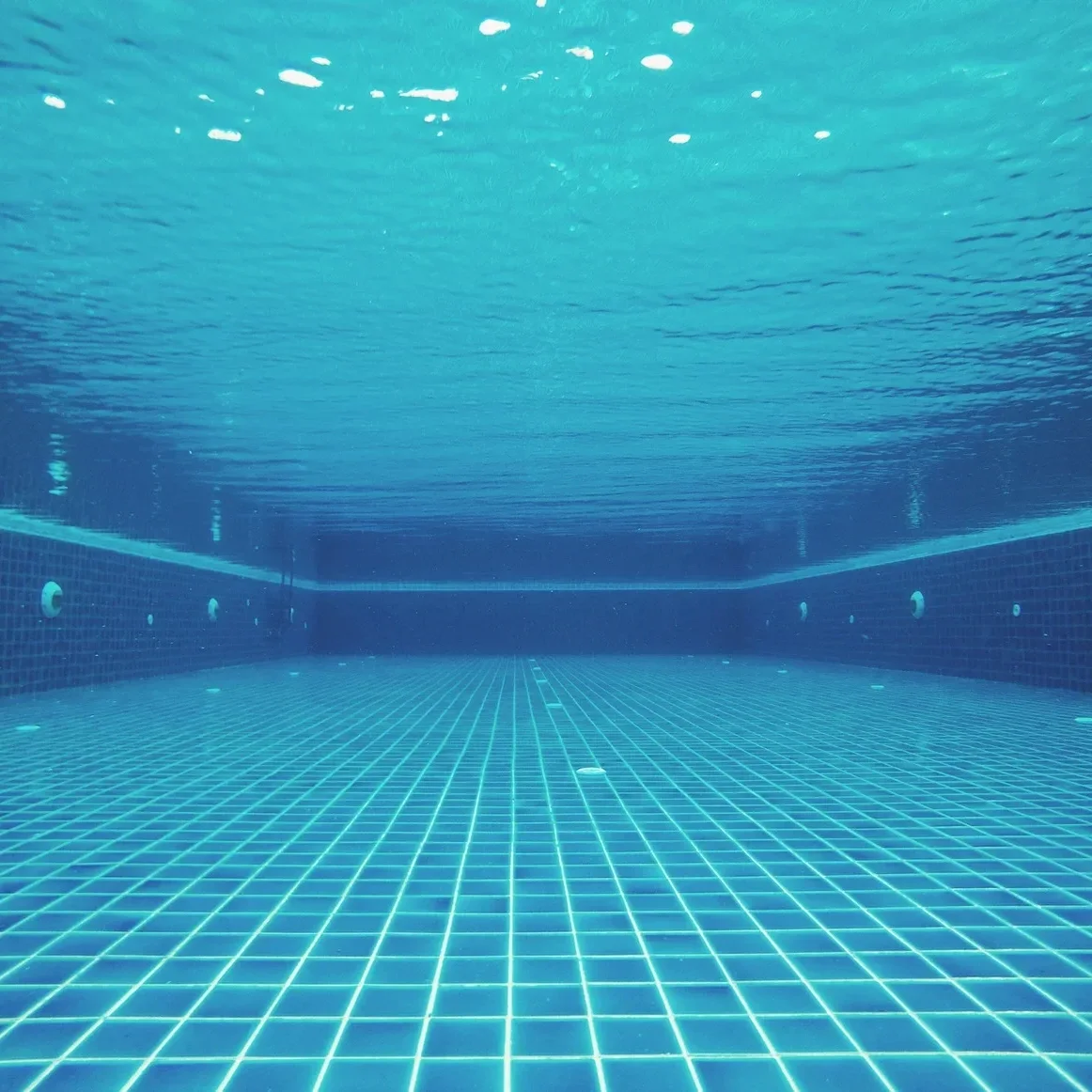
There's a hidden side to pool maintenance, and sometimes what's left behind is more than just unsightly particles; it's a breeding ground for problems that could go unnoticed until it's too late.
When it comes to maintaining a clean and clear pool, most people focus on the obvious: the leaves that collect on the surface, the bugs that land on the water, and the dirt that settles at the bottom. While these visible debris items are important to remove regularly, they aren't the only ones that need attention. There's a hidden side to pool maintenance, and sometimes what's left behind is more than just unsightly particles; it's a breeding ground for problems that could go unnoticed until it's too late.
Invisible Residue and Its Impact
One of the main culprits of debris you can't always see is the fine dust, pollen, and dirt that settles in places you wouldn't think to look. Even the most meticulous pool owner can miss these tiny particles, but over time, they can cause a profound impact on your pool's clarity and water quality.
As fine debris accumulates, the water can look slightly cloudy or less inviting. While you may not notice a significant change right away, small amounts of dirt left undisturbed can accumulate over time, placing unnecessary strain on your pool's filtration system. The filter works tirelessly to capture dirt, but it can only do so much. Overloading the system with debris that it can't properly catch can lead to blockages, reduced efficiency, and eventually, more serious mechanical issues.
Chemical Imbalance and Hidden Contaminants
Debris doesn't only affect the aesthetic side of pool maintenance. Many types of debris—especially organic materials like leaves, pollen, and even small twigs—carry with them bacteria and other contaminants. When these particles sink to the bottom of the pool or break down, they can upset the pool's delicate chemical balance.
While the visible debris may be picked up by a skimmer or vacuum, smaller, less visible particles can still be at work, altering the pool's pH, alkalinity, and chlorine levels. Even without visible debris, this can cause cloudy water, increased chemical usage, and a less-than-ideal swimming environment. Keeping the pool's chemical balance in check involves not only treating for the obvious contaminants but also addressing those out of sight.
Algae Growth in Hidden Spots
Not all debris is created equal, and some leave behind the perfect conditions for algae to grow. Invisible contaminants often carry algae spores or can enter your pool from the air. They thrive in the smallest nooks and crannies—hidden corners, the sides of the pool walls, and even in the cracks of your pool's filtration system. These algae blooms can begin to grow undetected, feeding on the organic matter left behind by other debris.
Algae growth can lead to a green pool, slick surfaces, and a dangerous environment for swimmers. It's not just about the visible algae floating on the surface; it's the colonies that might be growing behind the tiles or in the deeper parts of the pool, which are harder to clean. A comprehensive cleaning plan should involve not just skimming the surface but also addressing potential algae growth in these hidden areas. Regular brushing of pool walls and floors helps keep algae from taking root and spreading, while also allowing the filter to capture any small organic matter before it gets out of hand.
The Importance of Regular Vacuuming
While skimming the surface daily is essential to pool maintenance, vacuuming plays an equally critical role in preventing debris from settling unnoticed. Pool vacuuming is the best way to reach areas where fine debris likes to hide, including along the pool floor and in corners that skimmers can't reach. Without regular vacuuming, these small particles can accumulate, leading to water quality issues that are easily avoidable.
While it may not seem necessary to vacuum your pool as often as you skim, vacuuming helps to capture the debris that skimming misses. Whether you have a manual or automatic pool vacuum, it's important to run it at least once a week to remove debris that's out of sight. If your pool sees frequent use or you live in an area with high pollen or dust levels, you may need to vacuum more often.
The Role of the Pool Filter
Your pool filter is one of your best allies when it comes to trapping debris. However, filters can only do so much. A clogged or dirty filter will be much less effective at catching the finer particles that may slip past the skimmer or vacuum. Over time, debris such as fine dust and pollen can accumulate in the filter, reducing its effectiveness.
Regular maintenance of your pool filter, whether you have a cartridge, sand, or diatomaceous earth (DE) filter, is crucial. Cleaning or replacing the filter as recommended will help keep your pool's circulation system in top working order, making sure that even the debris you can't see gets trapped before it can impact the water.
Chemicals for Invisible Debris
Sometimes, debris that can't be seen needs to be treated with chemicals. Shocking your pool or using a pool clarifier can help break down invisible contaminants and restore clarity to your water. Shocking your pool means adding a hefty dose of chlorine to eliminate bacteria, algae, and other microorganisms that can affect the water quality.
Pool clarifiers work differently by coagulating tiny particles that may not be caught by the filter, making them easier to trap. Regular use of chemicals such as algaecides and flocculants can also help prevent invisible debris from becoming bigger problems. Working with a professional pool service to develop a chemical regimen that suits your pool will keep you ahead of the curve when it comes to invisible contaminants.
Why Professional Pool Services Make a Difference
While regular maintenance is key, some pool problems—especially those related to hidden debris—require expert attention. Professional pool services offer specialized tools and experience to spot problems that might otherwise go unnoticed. From deep-cleaning hard-to-reach areas of your pool to chemical treatments that address underlying issues, professionals have the knowledge and equipment to give your pool the care it needs.
A professional pool service can help monitor the quality of your pool water and its filtration system, checking for signs of wear or inefficiency. They can also help keep an eye on small details, such as areas prone to algae growth or the hidden buildup of fine debris. By using advanced tools such as pressure washers or robotic pool cleaners, professionals can reach areas that would be difficult to clean thoroughly on their own.
Keeping Your Pool Safe and Clear
Managing the invisible side of pool debris takes a little extra care, but the results are worth it. By staying ahead of debris buildup—both visible and hidden—you'll ensure your pool stays in peak condition, with crystal-clear water that's inviting and safe for swimming. Whether you're skimming, vacuuming, brushing, or using the right chemicals, tackling the unseen debris is just as important as cleaning up the visible clutter. By paying attention to the fine details, your pool will stay clean, healthy, and ready for enjoyment all season long.
Dog Days Pools offers a complete, one-stop solution for professional pool services in Clearwater, Safety Harbor, and surrounding areas, including pool cleaning, pool maintenance, pool repairs, and ongoing service plans. Our experienced team services residential pool systems with a focus on water quality, reliable operation, and long-term performance. Whether you need a quick pool repair or routine pool service, we provide dependable care and responsive support. Schedule your pool service today and enjoy a clean, worry-free pool year-round.