

A Pool Is Only as Good as Its Balance
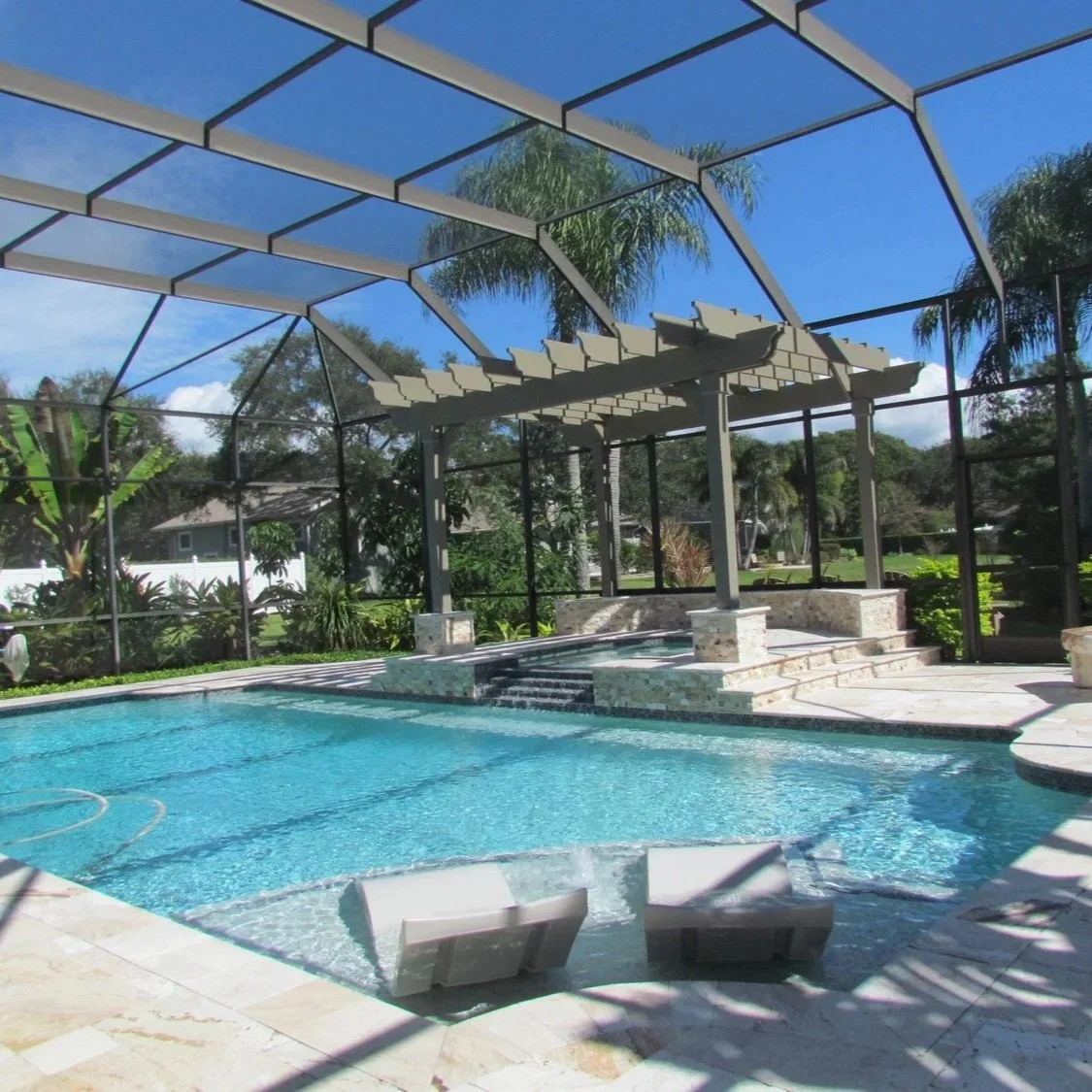
Without balance, your pool could become a breeding ground for problems, leaving you with green water, damaged equipment, and more hassle than you bargained for.
When it comes to maintaining a pool, many factors need to align to keep the water clean, clear, and safe for swimmers. One of the most important—but often overlooked—elements in pool care is the water balance. Having perfectly balanced pool water isn’t just about keeping the pool looking great; it’s about making sure the chemicals work properly to prevent algae, bacteria, and corrosion. Without balance, your pool could become a breeding ground for problems, leaving you with green water, damaged equipment, and more hassle than you bargained for.
Understanding Pool Chemistry
Water chemistry can feel like a complicated subject, but it’s not nearly as intimidating as it sounds. Pool water balance is about controlling the levels of three main components: pH, alkalinity, and calcium hardness. Together, these factors influence how well your pool functions, how comfortable the water feels, and how safe it is for swimmers.
pH is the measure of how acidic or basic the water is. The ideal pH range for a pool is between 7.4 and 7.6. If the pH level is too high or too low, it can affect the chlorine’s ability to sanitize the water. High pH can cause chlorine to become less effective, while low pH can irritate the eyes and skin, not to mention corrosion to your pool’s equipment.
Alkalinity is closely related to pH but serves a different purpose. Alkalinity acts as a buffer, helping maintain stable pH levels. Think of it like the bodyguard that keeps the pH from swinging too dramatically. Ideally, you want your pool’s alkalinity between 80 and 120 ppm (parts per million). Low alkalinity means the pH can fluctuate easily, while high alkalinity can make it challenging to adjust the pH when needed.
Calcium hardness refers to the amount of dissolved calcium in the water. If calcium levels are too low, your pool water may become corrosive, damaging your pool’s surface and equipment. On the other hand, if calcium is too high, you could run into scaling issues, where mineral deposits build up on surfaces. The ideal calcium hardness level is between 200 and 400 ppm.
Maintaining Proper Balance
To keep your pool in top condition, regular testing is key. While it’s easy to take a look at the water and assume all is well, the real picture lies in the chemistry beneath the surface. It’s essential to test your pool water at least once a week to check these critical levels. Pool testing kits or strips are easy to use and can provide accurate readings of pH, alkalinity, and calcium levels. If you’re not comfortable with DIY testing, many pool service companies offer water testing as part of their maintenance packages.
Once you’ve tested the water, the next step is adjusting the levels. You can buy chemicals to raise or lower each of the three main components. If your pool’s pH is too high, you can add acid, such as muriatic acid, to lower it. For low pH, use a pH increaser like sodium carbonate. Similarly, if your alkalinity or calcium hardness is off, there are chemicals designed to correct those issues, too.
Balancing your pool water is a delicate process, and it’s important to make gradual adjustments. Overcorrecting can lead to further complications, and it can take a few hours to see the results of your adjustments. Patience is key.
Why Balance Matters
Proper water balance is about more than just aesthetics. The right balance protects your pool’s equipment, keeps the water comfortable for swimmers, and prevents algae and bacteria from taking over.
When your pool water is imbalanced, the effects can be noticeable—and problematic. If the pH is too high or too low, it could cause skin and eye irritation, making swimming less enjoyable. Unbalanced water can also cause staining, scaling, and the gradual deterioration of your pool’s surface and plumbing. This leads to expensive repairs and potentially a shorter lifespan for your pool.
One of the most important reasons to maintain proper water balance is to keep your pool’s sanitizer, usually chlorine, working effectively. If your water chemistry is out of whack, your chlorine won’t be as effective at killing harmful bacteria and viruses. Without proper sanitation, your pool could become a breeding ground for algae, bacteria, and other unpleasant contaminants. In extreme cases, an imbalanced pool can even become unsafe to swim in.
Balancing Also Protects Your Investment
Your pool is a major investment, and, like any valuable asset, it requires routine maintenance to stay in prime condition. The right water balance extends the life of your pool and its components, from the pool liner to the pump and filter system. Unbalanced water can damage the pool’s finish, cause rust in metal parts, and lead to scaling in pipes, filters, and heaters. These problems can result in expensive repairs, sometimes even requiring you to replace entire sections of the pool equipment.
Regular maintenance and balancing help prevent these issues, saving you money in the long run. By making sure that pH, alkalinity, and calcium hardness are where they need to be, you can avoid costly damage and keep the water crystal clear and inviting.
Preventing Algae and Bacteria Growth
Imbalanced water creates the perfect environment for algae to thrive. Algae bloom in poorly maintained pools, turning the water green and making it unpleasant for swimming. Maintaining a proper balance of pH and chlorine helps prevent algae from taking hold. Without proper chlorine levels, algae can grow unchecked, causing serious issues that require extra time and chemicals to fix.
Besides algae, imbalanced pool water can encourage the growth of harmful bacteria and pathogens. Pools that are too acidic or too alkaline may fail to kill harmful microorganisms, leaving swimmers at risk of infections or illnesses. Balancing your pool water helps maintain safe swimming conditions by keeping bacteria levels in check.
Regular Maintenance: A Must for Pool Health
Keeping your pool water balanced requires more than just occasional testing and adjustments. Regular pool maintenance helps maintain proper water chemistry and keeps your pool running smoothly. Skimming debris off the surface, brushing the walls and floor, and vacuuming the pool regularly are all essential for good pool hygiene. The cleaner your pool is, the easier it is to maintain water balance.
Your pool’s filtration system also plays a significant role in water balance. The filter removes debris and contaminants that could throw off the chemistry. Be sure to clean or replace your filter routinely to keep the system working efficiently.
In addition, adding chemicals like algaecides and clarifiers to your regular maintenance routine can help prevent future imbalances and keep your pool in top shape.
When to Call in the Experts
If you’re not comfortable testing and balancing the pool yourself, or if your water is difficult to balance, it may be time to call in the professionals. Pool service companies have the expertise to quickly and effectively assess and adjust water chemistry, giving you peace of mind and saving you time. A pro can also spot underlying issues that might not be immediately apparent, like problems with your pool’s filtration system or equipment.
In conclusion, a pool is only as good as its balance. Maintaining the proper pH, alkalinity, and calcium hardness levels is essential for keeping the water clean, comfortable, and safe. Regular testing, adjustments, and maintenance are the keys to preserving your pool’s longevity and performance. Whether you’re a DIY enthusiast or prefer to leave it to the experts, balancing your pool water is crucial to keeping it a sparkling oasis for years to come.
Dog Days Pools offers a complete, one-stop solution for professional pool services in Clearwater, Safety Harbor, and surrounding areas, including pool cleaning, pool maintenance, pool repairs, and ongoing service plans. Our experienced team services residential pool systems with a focus on water quality, reliable operation, and long-term performance. Whether you need a quick pool repair or routine pool service, we provide dependable care and responsive support. Schedule your pool service today and enjoy a clean, worry-free pool year-round.