

How to Get Your Pool Ready Before a Hurricane
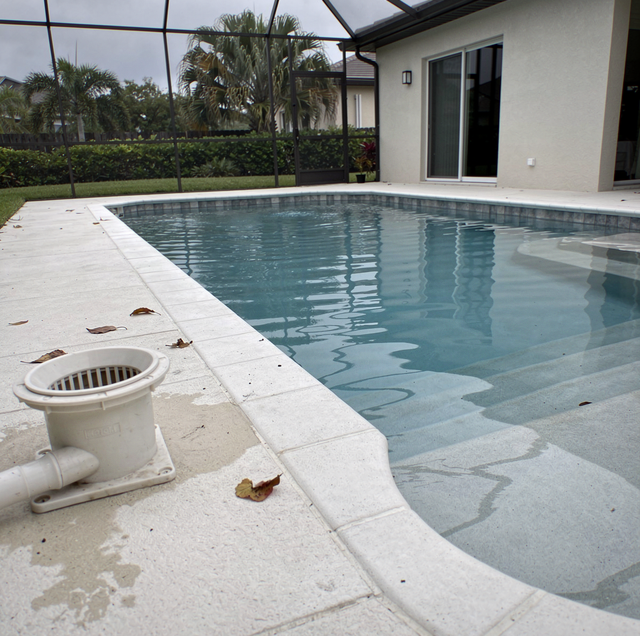
The forecast cone shifts, the outer bands are still a day or two out, and suddenly the pool that's been background noise all summer becomes the thing you're standing next to with a mental checklist and no idea where to start. Furniture, floats, the skimmer lid, the breaker box for the pump — none of it feels urgent until a storm is actually named and tracking toward you, and by then the hardware stores are picked over, and the good advice is buried under a dozen conflicting posts. A pool doesn't need to be drained or abandoned before a storm. It needs a short list of specific, correctly ordered steps, done a day or two ahead, so the water and the equipment are both in the best position to ride out high wind and heavy rain without adding a second disaster on top of the first.
Why Storm Prep Is Different From Regular Pool Care
Everyday pool maintenance is about keeping water balanced and equipment running. Storm prep has a different goal: reducing the number of things that can go wrong when wind gusts reach sustained tropical-storm or hurricane force and rain falls faster than normal drainage can handle. That means treating the pool less like a body of water to maintain and more like a structure to protect, along with everything sitting on the deck around it.
Two forces do almost all the damage in a storm like this: wind picking up loose objects and turning them into projectiles, and rain volume overwhelming the water level faster than it can drain away. Nearly everything in a solid prep routine is aimed at one of those two problems, which makes the list easier to hold in your head even when you're doing it under time pressure.
Lower the Water Level, But Not Too Much
Heavy rain during a storm can dump several inches of water in a matter of hours, and a pool that's already full has nowhere for that extra volume to go except over the edges, into equipment, or under a screen enclosure. The standard move is to lower the water level by roughly twelve to eighteen inches below the normal line, usually down to just below the skimmer opening or tile line. That gives the pool room to absorb a heavy rain event without flooding the deck or forcing water into electrical equipment mounted near the shell.
What you should not do is drain the pool fully, or even close to fully, and this is the single most common mistake homeowners make when they're anxious about an incoming storm. An empty or nearly empty pool shell loses the weight of the water that normally holds it in place against the surrounding ground. When heavy rain saturates the soil and the water table rises, an empty shell can actually be pushed upward by hydrostatic pressure from underneath, cracking the structure, popping a liner, or shifting a fiberglass shell right out of its excavation. That kind of damage is far more disruptive to fix than anything a properly lowered, still-mostly-full pool would experience from a storm. If you're unsure how far to lower your specific pool, a partial drawdown to the skimmer line is the safer default, and it's worth checking whether your equipment pad has a hydrostatic relief valve, since that's part of what protects the shell against this exact problem.
Secure or Remove Everything Loose Around the Pool
Once the water level is set, the next priority is anything on the deck, in the yard, or attached to a screen enclosure that isn't bolted down. In sustained wind, a lightweight chair or an umbrella stand isn't just going to blow over. It becomes something that can crack tile, puncture a screen, or shatter against a window. Furniture cushions, floats, pool toys, potted plants near the water, and anything else that can catch wind should come inside, into a garage, or into a shed, not just be pushed against a wall where wind can still lift it.
Skimmer lids, baskets, and any loose deck hardware are easy to overlook because they don't look like "furniture," but a skimmer lid that comes loose in wind and lands in standing water on the deck is one more piece of debris working against you during cleanup. Ladders, removable handrails, and solar blankets or reels should also be taken down or secured, since a solar cover, in particular, can act like a sail once wind gets underneath one of its edges. Anything you can't move indoors should be laid flat and, where possible, weighted or tied down rather than left standing.
Shut Down Electrical Equipment the Right Way
Pumps, heaters, salt chlorine generators, and automation systems all run on electricity and sit at ground level or close to it, making them vulnerable to both power surges and rising water. The correct sequence is to shut off the breaker dedicated to the pool equipment before the storm arrives, not just switch the pump off at its own control panel. A dedicated breaker cuts power completely, protecting the motor and control boards from a surge if the power grid takes a hit during the storm, and preventing the pump from trying to restart on its own if power flickers back on temporarily.
Leaving the pump running through a storm is a mistake for more than one reason. Heavy rain and wind-blown debris can quickly clog the skimmer and drain lines, and a pump that keeps trying to pull water through a blocked line can run dry and burn out its seals or motor bearings in a short time. A salt chlorine generator left powered on faces similar surge risk, and the cell doesn't need to run while the pool sits idle during and after the storm. If your system includes automation or a wireless controller, switching that off at the breaker too removes one more component a surge or water intrusion could damage.
Protect the Filter, Pump, and Automation Equipment Directly
Beyond cutting power, physically shielding equipment adds another layer of protection. If your pump, filter, and heater sit exposed on an open equipment pad rather than inside an enclosure, a secured tarp or waterproof cover over the top can help keep wind-driven rain out of motor housings and electrical connections, as long as it's tied down well enough that it won't itself become airborne debris. Check that any equipment covers, vents, or housings are latched or closed, and clear loose vegetation, mulch, or debris away from the pad so nothing gets blown directly into the equipment during the highest winds.
If you have a removable pool safety fence, screen panels, or a solar cover reel near the equipment pad, treat those the same as deck furniture: either bring them in or secure them tightly enough that they can't shift and land on the equipment itself.
What Not to Do Before a Storm
A few habits recur and tend to cause more damage than the storm itself would. Fully draining the pool tops that list, for the hydrostatic pressure reasons already covered. Leaving the pump running "just in case it helps circulate the water" is another, since it does the opposite: it strains the motor against debris and offers no real benefit while the pool sits unused. Skipping the breaker shutoff because the pump "seems fine" ignores the surge risk that has nothing to do with how the equipment is running in the moment before the storm arrives.
It's also a mistake to leave chemicals, chlorine tablets, or acid containers unsecured near the pool or equipment pad. Flooding or high winds can knock over storage containers, and accidentally mixing certain pool chemicals creates a genuine hazard, so anything stored loosely should go into a secure spot up off the floor inside a garage or shed rather than staying on an open shelf near ground level.
After the Storm: A Safety-First Walkthrough
Once the storm has passed and it's safe to be outside, resist the urge to flip the breaker back on right away. Walk the equipment pad first and look for standing water, downed power lines nearby, or any visible damage to the pump, filter, or wiring. If anything looks wet inside a panel or housing, or if you're not confident it's safe, wait until it's fully dry or have it checked before restoring power. Restoring power to equipment that took on water is one of the more common ways storm damage turns into a second, avoidable repair.
Next, look at the pool itself before touching the equipment controls. Storms typically leave branches, leaves, shingles, and general yard debris floating in the water or settled on the bottom. Remove the larger pieces by hand or with a net before running the pump, since pulling that debris through the skimmer and pump basket first is a fast way to clog both and strain the motor again right after you've protected it. Check the water level too. If heavy rain pushed the level back up past normal, or well above it, you may need to partially drain it back down before running the filter system normally.
Once the loose debris is cleared and the water level looks reasonable, restore power at the breaker and run the pump and filter for a while to start circulating and clearing finer particles. Expect the water to look cloudy or off-color for a stretch afterward. Heavy rain dilutes chlorine and alkalinity fast, and all that debris adds an organic load the sanitizer has to work through, so testing and rebalancing the chemistry, usually with a stronger correction than a routine weekly adjustment, is a normal and expected part of the recovery process rather than a sign something went wrong.
Finally, walk the entire pool area with fresh eyes: check the tile, coping, decking, and any screen enclosure for cracks, lifted sections, or torn screening that wind and debris may have caused. Catching that kind of damage early, before another round of rain gets into a crack or behind loose coping, keeps a manageable repair from turning into a bigger one.
Frequently Asked Questions
Around 12 to 18 inches below the normal water line is typical, usually down to just below the skimmer opening or the tile line. That leaves enough room to absorb heavy rainfall without the pool overflowing onto the deck or into nearby equipment.
No. An empty or nearly empty shell loses the weight that helps hold it in place against the surrounding ground, and rising groundwater from heavy rain can push it upward by hydrostatic pressure, cracking it or shifting it out of position. A partial drawdown is the safer approach for almost every pool.
No, the pump should be shut off at the dedicated breaker before the storm arrives, not just switched off at its control panel. A running pump can pull debris into clogged lines and burn out its seals or motor, and cutting the breaker also protects the motor and control boards from any power surge during the storm.
Bring anything loose indoors, into a garage, or into a shed, including cushions, umbrellas, floats, and toys. Items that can't be moved inside should be laid flat and weighted or tied down, since standing furniture and stands can become airborne in sustained wind and cause real damage to tile, screening, or windows.
Only after checking the equipment pad for standing water, visible damage, or exposed wiring, and confirming it's safe to restore power. Clear any branches or debris out of the pool first and remove larger debris from the skimmer and pump basket before running the system, so the motor isn't immediately straining against a clogged line.
Heavy rain quickly dilutes chlorine and alkalinity, and storm debris adds an organic load that eats away at whatever sanitizer remains in the water. Cloudy or discolored water after a major storm is expected, and it typically clears once the debris is removed, the pump is running again, and the chemistry is retested and corrected.
Schedule a pre-storm pool prep visit — get your water level, equipment shutdown, and deck secured correctly before the next storm system approaches. Dog Days Pools serves Clearwater and Pinellas County. CPC1460480. Call (727) 205-0566.