
Should You Repair or Replace a Pool Pump?
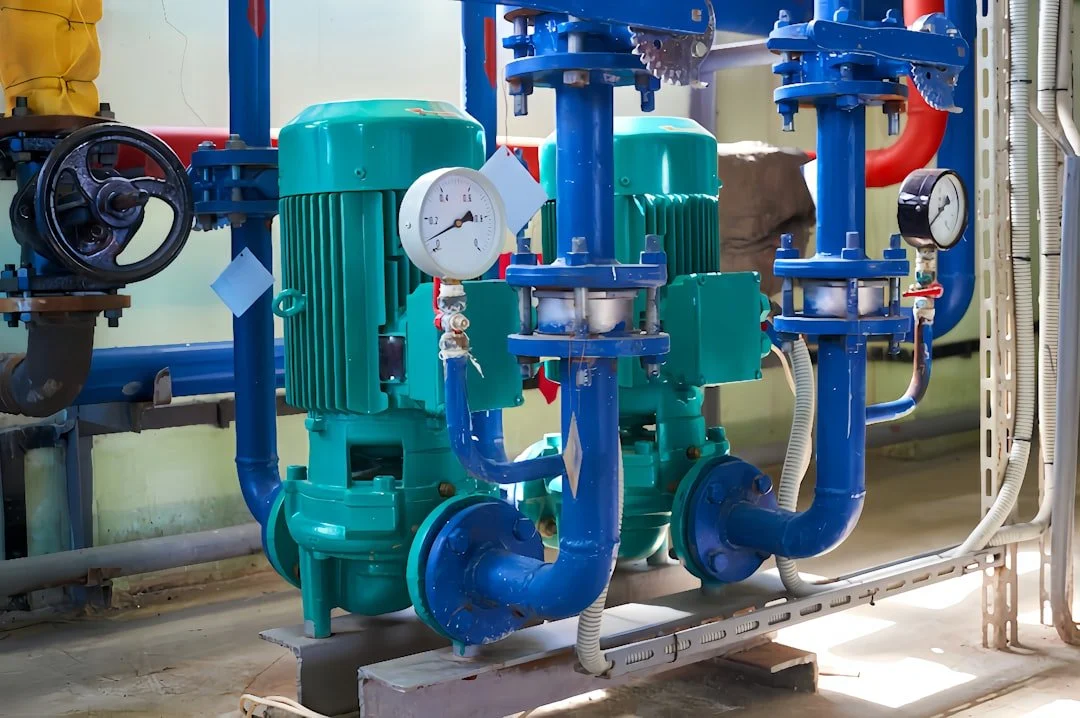
Your pump cuts off mid-cycle and won't come back on. Or it runs, but barely anything moves through the jets. Or it hums every morning and quits before the filter completes a cycle — so you flip the breaker, wait, and try again. You know something's wrong. What you don't know is if it's a $150 fix or a $1,200 replacement, and the wrong call stings either way.
Most homeowners treat this as a single decision. It's not. There are three separate questions underneath it: What exactly failed? How old is the pump? And what does the replacement math actually look like over the next five years — not just this week? Answer those honestly and the choice becomes a lot clearer.
What Actually Fails in a Pool Pump
Pool pumps don't fail randomly. They fail in specific ways, and each failure type carries a completely different price tag.
Bad capacitor- The capacitor is the small cylinder that gives the motor the jolt it needs to start spinning. When it goes, the pump hums but won't turn over — the motor itself is fine, it just can't get going. Capacitors run $15–$40 in parts. A tech can swap one out in under an hour. This is the cheapest fix in pool equipment. Replacing a whole pump because of a bad capacitor is like buying a new car because the battery died.
Shaft seal leak- Water pooling at the base of the motor housing is the tell. The shaft seal wears down after years of spinning against the impeller — it's a consumable part, not a sign of a dying pump. A dry seal replacement runs $100–$250 installed. But if the leak sat unnoticed long enough to soak the motor windings, you're no longer just replacing a seal. You're dealing with water-damaged windings, which is a different conversation entirely.
Motor winding failure- Windings burn out from water intrusion, age, or overheating. When they go, the motor needs to be rewound or replaced. On a pump under seven years old with solid housing and intact plumbing, a replacement motor typically runs $300–$500 installed — and that's worth doing. On a ten-year-old single-speed? You're putting good money into equipment that probably has a year or two left regardless.
Bearing wear- The grinding or rattling that gets louder once the pump's been running a while — that's bearings. They can be replaced. But on an older pump, worn bearings are rarely an isolated problem. The seal and impeller tend to follow. A bearing job on a young pump is simple and clean. Over the past ten years, it's usually the first sign of things unraveling.
Impeller clog or air leak- If the motor runs fine but the circulation is weak, you may not have a motor problem at all. A clogged impeller or an air leak at a fitting or gasket can kill suction while the motor itself stays perfectly healthy. These are repair scenarios, not replacement scenarios — and misreading them leads to swapping out equipment that didn't need to go.
Cracked pump housing- Florida doesn't freeze often, but when a hard cold snap hits, water trapped inside the pump housing can expand and crack the volute or diffuser. Hairline cracks in the housing can't be patched. They leak under operating pressure, and they get worse the longer the pump runs. A cracked housing means replacement regardless of what the motor looks like — there's no cost-effective fix for structural plastic that has to hold pressure every cycle.
How Age Changes Every Repair Decision
Age is the lens you have to hold every repair estimate up to before it means anything.
Under five years old, a component failure is almost always worth fixing. The housing, impeller, and plumbing connections are well inside their useful life. Putting a new motor or seal into a young pump is simple and clean value recovery, not good money after bad.
The five-to-ten-year window is where things get complicated. Lower-cost repairs — capacitors, clean seal replacements, motor swaps at a reasonable price — still make sense. But this is also when you need to run the five-year electricity math against the cost of a variable-speed replacement, because those two numbers can get surprisingly close.
In the past ten years, replacement usually wins unless the failure is minor. Spending $400–$500 on a decade-old single-speed unit doesn't make financial sense when a full variable-speed replacement runs $900–$1,500 and outperforms the old pump from day one.
And there's one more factor most people don't think about until they're already mid-repair: parts availability. Pool pump models get discontinued. Once a manufacturer stops producing components for an older platform, parts can get scarce, expensive, or impossible to source quickly. If a tech tells you a part needs to come from a third-party supplier or has a multi-week lead time, that's worth weighing — especially on an aging pump. Waiting three weeks for a $90 part on a twelve-year-old single-speed usually isn't the right call.
The Numbers: Repair vs. Replacement Side by Side
| Failure Type | Repair Cost (Installed) | New Single-Speed Pump | New Variable-Speed Pump |
|---|---|---|---|
| Bad capacitor | $75–$150 | $400–$700 | $900–$1,500 |
| Shaft seal (dry, no motor damage) | $100–$250 | $400–$700 | $900–$1,500 |
| Motor replacement | $300–$500 | $400–$700 | $900–$1,500 |
| Bearing failure | $200–$400 | $400–$700 | $900–$1,500 |
| Water-damaged motor windings | $350–$550 | $400–$700 | $900–$1,500 |
Here is what the table shows you: once a repair estimate climbs toward $400, a new single-speed pump is in the same price neighborhood. At that point, the question isn't really repair vs. replace anymore — it's single-speed replacement vs. variable-speed replacement. Either way, you're spending real money, and a variable-speed unit offers something a repaired pump never can: meaningfully lower operating costs going forward.
The 50% rule applies here the same way it does with most mechanical equipment. If the repair cost exceeds half the replacement cost, replacement is generally the better financial choice for equipment that isn't relatively new. For a $700 single-speed pump, a $400 repair sits right on that line.
Why Variable-Speed Changes the Long-Term Math in Florida
Florida law now requires all new residential pool pump installations to be variable-speed — so if you're putting in a new pump, a single-speed unit isn't an option anyway. But the requirement exists for a reason that makes real sense on your electricity bill.
A standard single-speed pump runs at a fixed 3,450 RPM regardless of what the pool actually needs at any given moment. A variable-speed pump can drop to 1,200–1,500 RPM for routine filtration, stepping up only when the system demands more flow. The permanent magnet motors in variable-speed units are also significantly more efficient than the induction motors in older single-speed pumps — the technology is simply different.
In the Tampa Bay area, pools run year-round, and electricity rates have climbed steadily. The operating cost difference between a single-speed and a variable-speed pump can work out to $600–$900 per year in electricity savings. Five-year difference: $3,000–$4,500. A variable-speed unit that costs $1,100 more than a basic single-speed replacement can pay that back in under two years on electricity alone.
But here's what that means for the repair question: spending $350 to keep an aging single-speed running might feel like the careful choice. It's not. It keeps higher electricity costs locked in for another year or two — until the pump fails again and you're back to this same decision.
What a Proper Diagnostic Should Cover
A recommendation made over the phone, based only on what you described, is a guess. Before approving any repair work, make sure the tech actually tested the components in question.
A solid diagnostic starts with a capacitor test — a quick multimeter check that immediately rules out or confirms the cheapest possible fix. From there, the tech should visually inspect the seal area for staining or dripping and run an ohmmeter on the motor windings to confirm whether water reached them. The pump's data plate gives the age and horsepower specs — two numbers that shape every recommendation that follows. And the tech should watch it run. A failure that happens consistently is easier to pin down than an intermittent one, but intermittent failures matter just as much. A pump that shuts off under thermal load is a completely different problem than one that won't start from cold — and mixing those two up leads to the wrong repair.
What you can reasonably check yourself before calling: A few things are worth verifying before a technician comes out: check the circuit breaker first, since a tripped breaker is a five-second fix. Look inside the pump basket for a debris blockage. Confirm the pool water level isn't low enough to starve the pump. None of these diagnoses a component failure, but it saves you a service call if the problem turns out to be simple. Anything involving the motor, wiring, capacitor, or shaft seal belongs with a licensed pool contractor — these components carry real electrical and mechanical risk, and a misstep makes the repair more expensive, not less.
Symptom Quick-Reference
| What You're Seeing | Most Likely Cause | What It Usually Means |
|---|---|---|
| Hums but won't start | Bad capacitor | Repair — inexpensive |
| Runs 20–30 min, then trips breaker | Winding short or thermal overload | Diagnose first; may need motor or full replacement |
| Grinding / rattling, worse when hot | Bearing wear | Repair if pump is under 5 years; evaluate for replacement if older |
| Water pooling under the pump | Shaft seal leak | Repair if motor is dry; reassess if water reached windings |
| Pump runs fine, weak water flow | Clogged impeller or air leak | Repair — this is a suction problem, not a motor problem |
| Won't start at all, no sound | Electrical supply issue or blown motor | Check breaker first; motor test needed |
Frequently Asked Questions
Most pool pumps last 8–12 years with regular maintenance. Single-speed units tend toward the lower end because they run at full speed continuously, which puts more thermal stress on the motor over time. Variable-speed pumps last longer — lower RPM operation means less heat and less wear on the bearings and shaft seal. In Florida, where pools run year-round, operating hours pile up faster than in seasonal climates, so calendar age and actual wear don't always match.
A motor swap makes sense when the pump is under 7–8 years old and the housing, impeller, and diffuser are still in good shape. You keep the existing plumbing connections and skip the cost of a full housing assembly. The catch: if you're putting a new motor into a single-speed pump, price out a variable-speed full replacement at the same time. On older equipment the economics sometimes favor going all the way rather than putting a fresh motor into something that'll still cost more to run every month.
Yes — and on anything over a few hundred dollars, or any repair where the diagnosis wasn't based on actual component testing, you should. Quotes vary a lot depending on what the tech actually verified versus what they assumed from your description. A second opinion that includes on-site testing can come back with a completely different finding. Sometimes cheaper, sometimes pointing toward replacement instead of repair.
Each repair buys time but doesn't reset the clock. Mechanical parts wear together, so a pump that just had its bearings replaced can turn up a seal leak six months later. The costs add up, and the whole time you're still paying the electricity premium on a single-speed motor running flat-out. At some point the total you've spent on repairs gets close to what a new variable-speed unit would've cost — without any of the efficiency gains.
Replacing a pump with the same type and configuration typically doesn't require a permit in most Florida jurisdictions. Replacing with a new variable-speed pump or making changes to the electrical supply may trigger inspection requirements depending on your county. Your pool contractor should know the local rules and pull any required permits as part of the job.
Ask what was actually tested on-site before the tech gave you the quote. A real repair recommendation comes from component testing — not from what you described over the phone. Ask for the pump's age from the data plate if you don't already know it, and ask what the expected outcome looks like: how long the repair should hold, and whether they'd recommend replacement given how old the pump is.
Before You Write the Check
Three things determine whether repair or replacement is the right move: what failed, how old the pump is, and what the five-year cost comparison actually looks like. A minor fix on a young pump is almost always worth doing. A major repair on an old single-speed pump almost never pencils out once you account for continuing electricity costs and the next failure that's probably not far off.
Get the diagnostic first. Confirm what actually broke. Know the pump's age. Then look at both the short-term and five-year numbers before you approve anything.
Dog Days Pools provides complete pool pump repair and replacement in Clearwater, Safety Harbor, Dunedin, Palm Harbor, Oldsmar, and surrounding Pinellas County, FL. We diagnose the root cause before recommending repair or replacement — so you're never paying for work that doesn't solve the problem. Whether you are dealing with a sudden pump failure or weighing a variable-speed upgrade, we're available 7 days a week, 9 a.m.–9 p.m. For professional pool repairs and weekly pool maintenance with chemicals included, call (727) 205-0566. Licensed Certified Pool Contractor #CPC1460480.
