
Green Water Doesn’t Mean It’s Eco-Friendly
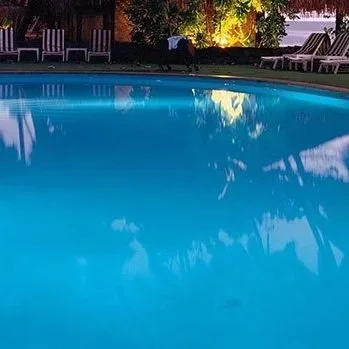
Without the proper treatment, you could be swimming in more than just murky water—you could be dealing with hazardous bacteria and algae blooms that are the product of poor maintenance.
Nothing says “pool trouble” quite like the sight of green water. While you might assume it’s a sign of a vibrant, eco-friendly environment, the reality is far less picturesque. Green water is the result of algae, bacteria, and other organic contaminants taking over your pool. It may look like nature’s touch, but in the world of pool care, it’s a definite red flag that something has gone awry.
If you’ve ever looked at your pool and thought, “Maybe a little algae would add a touch of nature,” you’re not alone in being frustrated by what green water really represents. Pools require consistent care to keep them clean, safe, and sparkling clear. Without the proper treatment, you could be swimming in more than just murky water—you could be dealing with hazardous bacteria and algae blooms that are the product of poor maintenance.
What Causes Green Pool Water?
Green water doesn’t just appear on its own; it’s a result of a few contributing factors. When your pool water turns green, it’s usually because of a significant algae bloom. Algae thrive in warm, stagnant water, and without proper filtration and sanitation, they can quickly take over. Here’s what could be going on behind the scenes:
Imbalanced Pool Chemistry
Proper water chemistry is key to maintaining clear, healthy pool water. If your pool’s pH, alkalinity, or chlorine levels are off, algae and bacteria can quickly begin to thrive. Algae thrive in pools that are either too acidic or too alkaline, and if chlorine levels are insufficient, they can multiply unchecked.
Lack of Chlorine
Chlorine is the frontline defense in keeping your pool clean. It helps kill harmful bacteria, algae, and other contaminants. When your chlorine levels are low, the water can become a breeding ground for algae, leading to the dreaded green hue.
Poor Filtration
Your pool’s filtration system removes debris, dirt, and bacteria from the water. When the filter is clogged or malfunctioning, it can’t perform its job properly, allowing organic material and algae to accumulate. Even if the pump is running, an inefficient or dirty filter may allow algae to grow.
Lack of Circulation
Water that isn’t moving allows algae to settle and multiply. If your pool pump or filter isn’t running as it should, stagnant water becomes a perfect environment for algae. Proper circulation helps keep the water moving and prevents algae from gaining a foothold.
What Does Green Water Mean for Your Pool?
Having green water in your pool isn’t just an aesthetic issue. While it may look unappealing, it can also lead to much bigger problems if left untreated. Algae can clog your pool filter, making it less efficient, and its presence may even cause the pool equipment to fail. The longer you leave it, the more damage it can do.
In addition, algae can cause slippery surfaces, posing a serious safety hazard. A pool with a layer of algae can make walking on the pool deck or in the water risky, especially for children or elderly swimmers. It also serves as a breeding ground for harmful bacteria that can cause skin rashes, ear infections, and other illnesses.
How to Tackle Green Water and Bring Back the Sparkle
Fixing green pool water is no quick fix, but with the right approach, it’s entirely manageable. The key to cleaning up green water is acting quickly and thoroughly. The longer you wait, the more challenging it becomes to restore your pool. Here’s how you can get back to crystal-clear water:
Test Your Pool’s Chemistry
The first step in correcting green pool water is to test the chemistry of your pool water. Invest in a good pool test kit to check for pH, alkalinity, and chlorine levels. If any of these are off, you’ll need to adjust them accordingly. If your chlorine levels are low, you’ll need to add more to the water to help kill the algae.
Shock Your Pool
When your pool is green, it’s time for a big dose of chlorine. Shocking your pool means adding a large amount of chlorine to the water to kill the algae and bacteria. Be sure to follow the manufacturer’s guidelines for the amount of chlorine to use, as it depends on the size of your pool. After adding the shock, give it time to circulate and work its magic.
Clean the Filter
Your pool’s filter is your best friend for clearing algae and debris, so it’s important to clean it thoroughly. If your filter is clogged or dirty, it won’t perform effectively, and the algae may persist. Clean or replace your filter cartridges as needed, and ensure the pump runs smoothly.
Brush and Vacuum
While your chlorine shock treatment works its magic, don’t forget to scrub the pool’s walls and floor manually. Use a pool brush to remove any algae that’s clinging to the surface. After brushing, vacuum the pool to remove any debris floating around. This step helps remove dead algae and prevents it from being recirculated back into the water.
Improve Circulation
Make sure your pool’s pump and filter are running continuously while you tackle the algae. Circulation is key to removing the green water and preventing future algae growth. If your pool pump isn’t working properly, consider getting it serviced. A properly functioning pump helps keep water moving and prevents stagnant conditions that encourage algae growth.
Prevent Future Algae Growth
Once your pool is back to its sparkling self, it’s essential to take steps to prevent algae from returning. Maintaining proper water chemistry, cleaning your pool regularly, and keeping your filtration system in top shape are the best ways to avoid future algae blooms. Regular pool maintenance can help keep the pool water clear and safe for swimming year-round.
In addition to regular maintenance, consider using algaecides or phosphate removers. These products help prevent algae from taking hold by removing the nutrients they feed on. If you’re unsure what products to use, a pool service professional can offer advice on the best solutions for your specific needs.
The Bottom Line
Green pool water may seem like a natural look, but it’s far from eco-friendly. It’s an indication that your pool is battling algae and possibly harmful bacteria. Taking swift action with the right chemicals, cleaning, and filtration can restore your pool to its crystal-clear best. Regular maintenance and monitoring of your pool’s water chemistry will help prevent green water from recurring.
While green water might be a temporary setback, with a little elbow grease and consistent care, your pool can once again be a refreshing, clean, and safe oasis. The sooner you act, the quicker your pool can return to the bright, inviting space it’s meant to be. Keep your water clean, and you’ll always be ready for a swim.
Dog Days Pools offers a complete, one-stop solution for professional pool services in Clearwater, Safety Harbor, and surrounding areas, including pool repairs, seasonal pool openings, and seasonal pool closings. Our licensed team services residential pool systems with a focus on reliable operation, fair pricing, and long-term performance. Whether you need a seasonal pool service or a necessary pool repair, we provide over 20 years of experience and no-contract service you can trust. Schedule your pool service today and enjoy stress-free pool care.