
How to Handle Pool Stains: Causes and Solutions
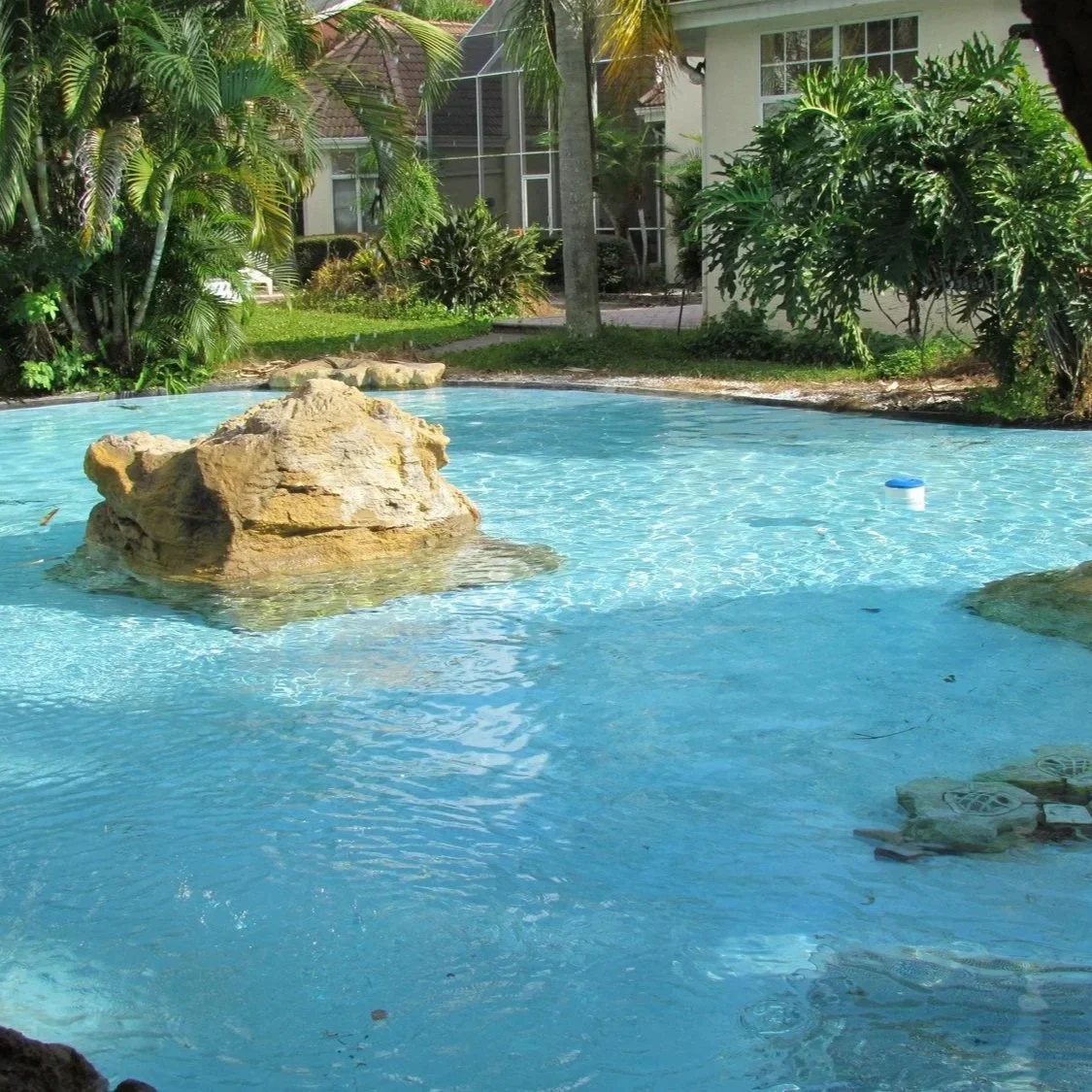
Identifying the cause of these stains is the first step toward getting them under control and keeping your pool looking its best.
A beautiful, clear pool is every homeowner’s dream, but maintaining that perfect look can sometimes feel like a never-ending battle. One of the most common frustrations pool owners face is staining. Whether they're brown, green, or black, stains can detract from the sparkling waters you work so hard to keep clean. Identifying the cause of these stains is the first step toward getting them under control and keeping your pool looking its best.
Understanding Pool Stains
Before jumping into how to treat pool stains, it’s important to understand what causes them. Pool stains don’t just appear out of nowhere; they have specific origins that are often tied to the pool's environment or the water itself. Stains in your pool could be due to a range of things, including organic materials, metal deposits, or chemical imbalances. Knowing what you're dealing with can save you time and effort in finding the right solution
Types of Pool Stains
There are several types of pool stains, each with its own causes and solutions. By understanding the differences, you can quickly narrow down the right course of action for your pool.
Organic Stains
Organic stains are usually caused by things like leaves, algae, or other natural debris that fall into the water. Over time, these materials can break down, leaving stains on the pool’s surface. Typically, organic stains are green, brown, or black and can develop in areas where debris tends to accumulate. These stains are more likely to appear in the warmer months when your pool sees more use.
Metal Stains
Metal stains occur when metals such as iron, copper, or manganese dissolve into the pool water. These metals can come from the water supply, old pool equipment, or even from your pool's plumbing system. When these metals oxidize, they leave behind stains that are typically brown, green, or even blue. Iron stains, for example, often appear as reddish-brown marks, while copper stains can result in a blue-green hue.
Chemical Stains
Chemical imbalances in your pool can also lead to stains. If your pool’s water chemistry is off, especially if the pH is too high or too low, the pool surface can become damaged, leading to staining. Additionally, excessive chlorine can also cause discoloration and stain the pool surface. These stains tend to appear as dull or faded patches and are often more difficult to treat.
How to Remove Pool Stains
Once you’ve identified the type of stain, it's time to figure out the best method to tackle the problem. Not all stains are the same, so the solution for each one can differ. Below are some effective ways to deal with various types of pool stains.
Organic Stains
For organic stains, the solution usually involves eliminating the debris and cleaning the affected areas. Start by removing any visible leaves or algae from the pool. A skimmer or pool vacuum can help clean the water, and you can use a brush to scrub stained areas directly. In many cases, organic stains can be treated with an enzyme-based pool cleaner, which breaks down organic material and helps lift stains from the pool surface.
A chlorine shock treatment can also work well for organic stains. Shocking the pool with a high dose of chlorine helps kill algae and break down organic materials, which can, in turn, help lift stains. Make sure the pool's pH is balanced before shocking it, as this will improve the treatment's effectiveness.
Metal Stains
To deal with metal stains, the first step is to test the water for metal levels. If your pool’s water has high levels of iron, copper, or other metals, you may need to use a metal sequestrant. These chemicals bind to the metals in the water, preventing them from staining the pool surface. Once the metal levels are under control, you can use a pool brush to scrub the stains from the surface.
For stubborn metal stains, you may need to use a specific stain remover formulated for the type of metal causing the discoloration. For example, an iron stain remover is great for reddish-brown stains, while a copper stain remover can target blue-green marks. Always follow the product's instructions to avoid damaging your pool’s finish.
Chemical Stains
Chemical imbalances can sometimes cause permanent stains, but more often than not, they are treatable with some maintenance. The first step in handling chemical stains is to adjust your pool's water chemistry. Make sure that the pH, alkalinity, and chlorine levels are properly balanced. Using a pool test kit can help you determine where the imbalances lie.
Once the water chemistry is balanced, you can work on cleaning the pool’s surface. A mild acid wash can help remove any residue left by excessive chemicals. However, be cautious when using acid-based solutions, as they can damage certain pool finishes if used improperly. Always test on a small area first before applying it to the entire pool.
Preventing Future Stains
The best way to deal with pool stains is to prevent them from happening in the first place. Regular maintenance and proper pool care go a long way in keeping your pool stain-free and beautiful.
Maintaining proper water chemistry is one of the most important steps you can take to prevent stains. Regularly test your pool water and adjust the pH and chlorine levels as needed. Keep an eye on metal levels in your pool water and use a metal sequestrant to prevent staining.
In addition to maintaining water chemistry, it’s essential to clean your pool regularly. Use a pool skimmer to remove leaves and debris before they can stain the water, and vacuum the pool to remove dirt that can accumulate on the surface. Regularly brushing the walls and floor of your pool helps prevent algae and other organic materials from building up.
Covering the pool when not in use can also help prevent debris from falling in and causing stains. Pool covers are especially useful in the fall and winter months, when leaves and twigs are more likely to accumulate.
Professional Help for Stubborn Stains
If you've tried all the treatments and the stains persist, it might be time to call in the professionals. Pool service experts have the tools and experience to handle even the most stubborn stains, helping restore your pool’s shine without further damaging the surface.
Whether it’s a deep clean, chemical treatment, or equipment check, pool services can keep your pool in pristine condition year-round. Regular professional maintenance keeps your pool in top shape and free of unsightly stains.
Conclusion
Pool stains are a common challenge, but with the right knowledge and approach, they can be easily managed. Identifying the cause of the stains is the first step in choosing the right solution, whether it’s organic debris, metals, or chemical imbalances. By maintaining proper water chemistry, cleaning regularly, and using the right products, your pool can remain sparkling and stain-free for years to come. And when in doubt, professional pool services are always available to lend a helping hand.
Dog Days Pools offers a complete, one-stop solution for professional pool services in Clearwater, Safety Harbor, and surrounding areas, including pool cleaning, pool maintenance, weekly pool service, and green pool cleanups. Our experienced team services residential pool systems with a focus on clean water, safe swimming conditions, and long-term performance. Whether you need routine pool maintenance or an urgent pool repairs, we provide reliable service and responsive care. Schedule your pool service today and enjoy a clean, safe pool without the hassle.