
Pool Leak or Just Evaporation? How to Tell for Sure
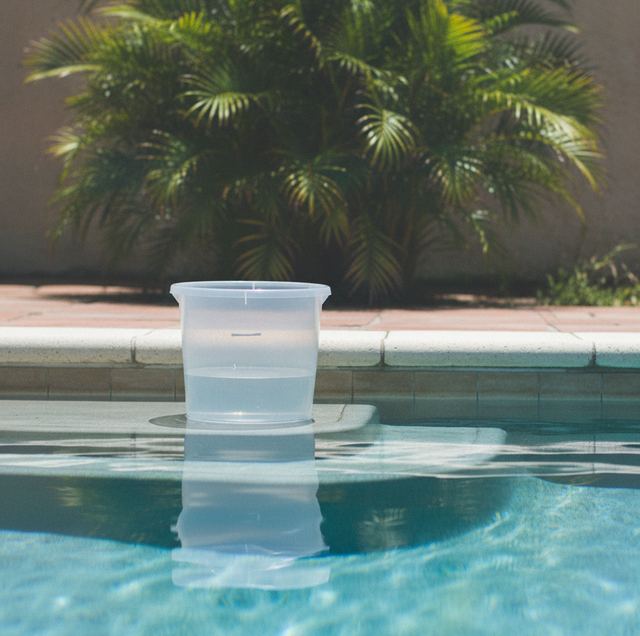
You find yourself adding water to the pool more often than you remember doing before. The level keeps creeping down, and you are caught between two thoughts: is this just the sun drinking the pool the way it always does in summer, or is water quietly escaping through a leak somewhere? Guessing wrong in either direction wastes water or misses a growing problem.
The good news is that you do not have to guess. A simple test settles it in a day, and a few signs tell you when to worry.
Every Pool Loses Some Water
Start with what is normal, because a dropping level is not automatically a leak. Every open pool loses water to evaporation, as the sun and wind lift moisture off the surface all day long. On a typical day, a pool might lose around a quarter inch, and in intense heat, strong sun, low humidity, or wind, it can lose noticeably more. Splashing, swimmers carrying water out, and backwashing the filter remove water too. So some daily loss is expected, and the real question is whether your loss is within that normal range or beyond it. That is exactly what the bucket test measures.
The Bucket Test, Step by Step
The bucket test works because it puts a control right next to the pool. A bucket of pool water and the pool itself are exposed to the same sun, wind, and heat, so they evaporate at the same rate. If the pool drops faster than the bucket, the difference is not evaporation; it is a leak.
Fill a bucket with pool water and set it on a step so it is partly submerged. Mark the water level inside the bucket and the pool level outside it, then leave the pump running as normal. After 24 hours, compare. If both dropped the same, it is evaporation. If the pool dropped more than the bucket, you have a leak.
Run it for a full 24 hours for a clear reading, and repeat it over a couple of days if the result is close. Because both bodies of water face identical conditions, this test cuts straight through the guesswork that makes people top off a leaking pool for weeks without realizing it.
The Signs That Point to a Leak
Beyond the test, certain clues lean toward a leak on their own. Losing more than about a quarter to a half inch a day consistently is a red flag. So are wet or soggy spots in the yard around the pool, cracks in the deck or the shell, a pool that needs water added far more often than it used to, air bubbles coming from the return jets, and a filter system that loses prime. Water where it should not be, or loss that outpaces the weather, is the pool telling you it is losing water somewhere other than the surface.
Why the Local Weather Confuses the Picture
In a hot, sunny climate, evaporation runs high, which makes it easy to blame the weather for a real leak or to panic over normal loss. The intense year-round sun and heat drain a pool faster than in a cooler climate, so a level that would look alarming elsewhere may be perfectly normal here. At the same time, that high baseline loss can mask a slow leak within what appears to be ordinary evaporation. The bucket test matters more in a hot, sunny climate than in almost any other, because it is the only way to separate the sun's share from a leak's share when both are in play. Heavy storm rain adds another wrinkle, sometimes masking loss by refilling the pool, so testing during dry, settled weather gives the cleanest answer.
Where Pool Water Actually Escapes
If the bucket test confirms a leak, it helps to know the usual escape routes, because that guides how it gets found. Water leaves a pool in a handful of places: cracks in the shell or the tile line, a failing skimmer or its throat where it meets the wall, the return jets and light niches, the underground plumbing lines, and the equipment pad where the pump, filter, and valves connect. An automatic water leveler can hide all of this by quietly topping off the pool, so a leak can run for months unnoticed. Because the source can be anywhere from the surface to buried pipe, professional leak detection uses dye, pressure testing, and listening equipment to pinpoint it rather than guessing, so the repair targets the actual spot instead of tearing into the pool.
Frequently Asked Questions
Roughly a quarter inch a day is the rule of thumb, but that figure moves with a few specific levers. Wind is the biggest factor: a breeze strips the humid layer at the surface and can double evaporation, which is why an exposed pool loses far more than a screened or fenced one. A raised water temperature does the same, so running a heater or a spillover spa, or leaving the pool uncovered overnight when the air is dry, all raise the baseline. A solar or safety cover dramatically reduces surface loss, so if you cover the pool and still drop a quarter inch or more a day, that points to a leak rather than the sun.
You float a bucket of pool water on a step so it sits partly submerged, mark the water level inside the bucket and the pool level outside with tape or a grease pencil, and wait 24 hours with the pump running as normal. Both bodies face the same sun and wind, so they evaporate equally. Measure the gap between the two drops rather than eyeballing it: a difference of about an eighth of an inch or more over the course of the day is a real leak, while a match within a hair is just evaporation. Turn off any autofill during the test, because a float valve topping the pool back up will hide the very loss you are trying to measure.
Run it as you normally do, and note that testing with the pump on versus off can help locate the leak. If the pool loses more with the pump running, the leak may be on the pressure side of the plumbing; if it loses more with the pump off, the leak may be in the shell or on the suction side. Either way, the basic bucket comparison tells you a leak exists.
Where the clues show up tells you which kind you have. A structural leak in the shell or tile line often leaves the water settling to one level and stopping there, since the pool only drops to the height of the crack, and you may see staining or a soggy patch right at the deck edge above it. A plumbing leak keeps draining past that point because the break is in a buried line under pressure, and its tell is different: air bubbles from the return jets, a pump that keeps losing prime, and wet or sinking ground along the pipe runs rather than against the wall. Noticing whether the loss stops at a certain level or keeps going is a useful first read before detection equipment confirms it.
Yes. A big rain can refill a pool enough to mask ongoing loss, so the level looks stable even though the pool is leaking. That is why it is best to run the bucket test during a stretch of dry, settled weather, when rain is not adding water back and confusing the reading.
The next step is locating it, and one low-cost check you can try first is a dye test on the suspected fittings. With the pump off and the water still, release a little dye from a leak-finder bottle or food coloring right next to the skimmer throat, the return jets, the light niche, or a visible crack, and watch: if there is a leak there, the dye gets drawn into the gap in a thin, steady stream instead of drifting. That narrows things before a pro brings pressure testing for the buried lines and listening equipment to pinpoint the issue under the deck, so the repair opens only the actual spot rather than the whole pool.
One Bucket Ends the Guessing
A pool that keeps dropping is not automatically leaking, because the sun and heat legitimately pull water off the surface every day. The bucket test settles which you have by letting the pool and a bucket evaporate side by side, so any extra loss in the pool is a leak. Pair that with a look for soggy spots, cracks, and air in the lines, and you will know within a day whether to relax or to find the leak. Stop topping off a mystery and let the bucket tell you the truth.
If the bucket test says your pool is losing more than the weather explains, we can find the leak without tearing the pool apart. Dog Days Pools serves Clearwater and Pinellas County. CPC1460480. Call (727) 205-0566.
