

When Pumps Go Quiet, Problems Grow Loud
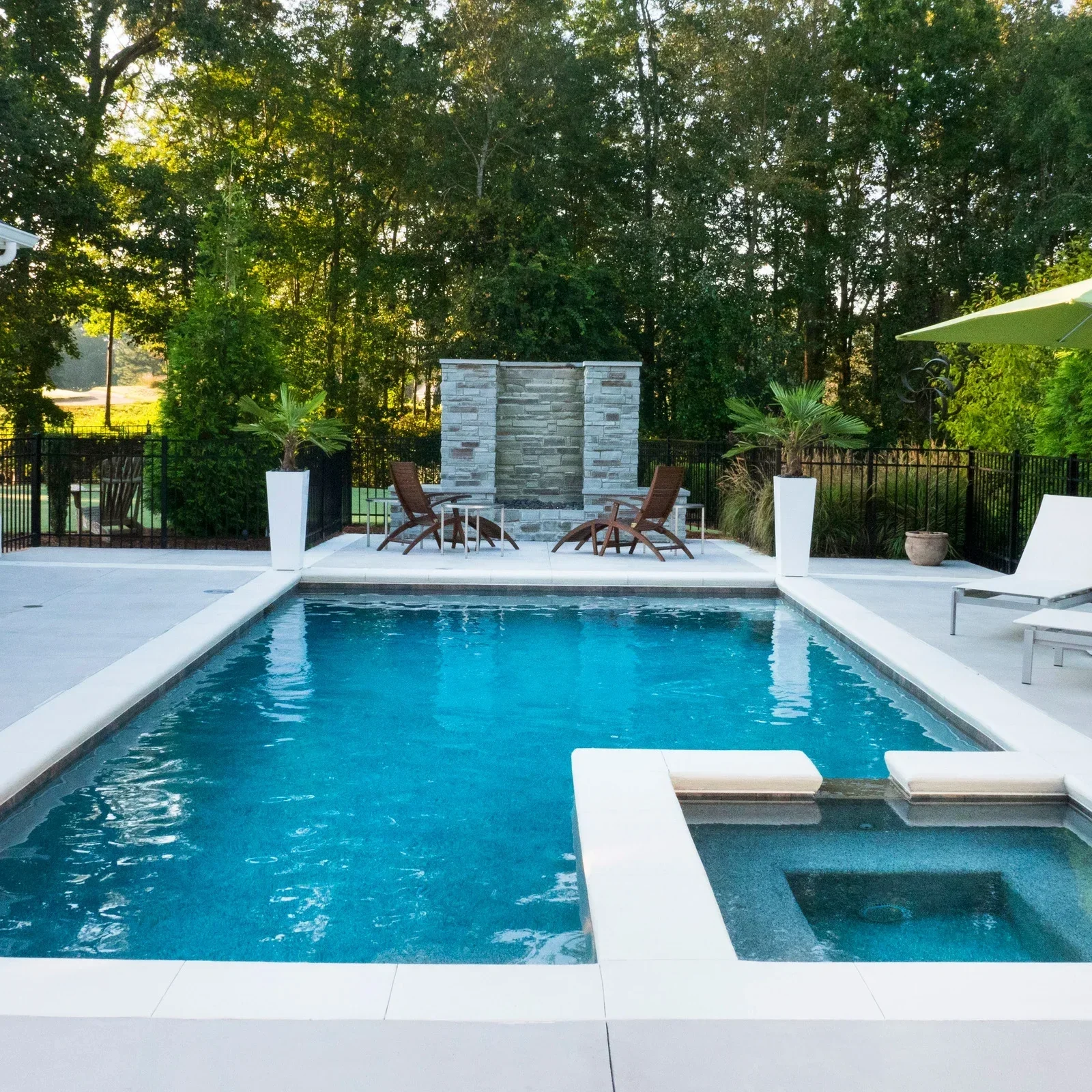
Recognizing and addressing pump issues early on is crucial to preventing more significant problems down the road.
In the world of pool maintenance, a quiet pump is often a sign of an underlying issue. Pool pumps are the spirit of any swimming pool, circulating water through the filtration system to keep everything clean, clear, and safe. When they suddenly go silent, the potential problems they could be hiding can grow from small inconveniences to major headaches. Recognizing and addressing pump issues early on is crucial to preventing more significant problems down the road.
The Role of a Pool Pump
A pool pump may seem like a simple device, but it plays a critical role in maintaining your pool's health. Pumps circulate water through the pool's filtration system, moving the water through the filter and skimmer to remove debris, dirt, and bacteria. They also help maintain water chemistry by keeping the water moving, which prevents algae and bacteria from taking hold. In short, without a properly functioning pump, your pool becomes a breeding ground for unwanted particles and organisms.
When a pool pump goes quiet, it's a clear indicator that something's off. A silent pump might not be making the usual hum of activity, but that doesn't mean the water is being properly circulated. Ignoring this sign could result in a less-than-ideal pool environment, potentially leading to issues such as cloudy water, algae growth, and overall pool system failure.
Common Causes of Pump Silence
There are several reasons a pool pump might stop making its usual noise. While some of these causes are straightforward to address, others may necessitate professional intervention. Understanding what might be behind a quiet pump can help you act quickly and avoid escalating problems.
Clogged or Blocked Pump Basket
One of the most common culprits behind a silent pool pump is a clogged or blocked pump basket. Over time, debris such as leaves, dirt, or even hair can accumulate in the basket, obstructing the water flow. When the pump basket is full, the pump may struggle to move water or stop completely, resulting in silence. In some cases, a clogged pump basket can also cause the pump motor to overheat, potentially causing more severe damage.
To avoid this issue, check the pump basket regularly and clean out any debris. Keeping the pump basket clear allows the pump to work at its best, securing proper water circulation.
Air Leaks in the Pump System
Air leaks can also cause the pump to lose its usual sound. When air enters the pump system, it disrupts the water flow, which can lead to decreased pump efficiency and, in some cases, cause the pump to stop altogether. Air can enter the system through loose fittings, cracked pipes, or damaged O-rings. A visible air leak is often easy to spot, but sometimes the source of the leak is hidden, making the problem more challenging to address.
To fix air leaks, check all connections around the pump, including the pump lid, suction lines, and seals. If you suspect a hidden leak, it is most likely worth calling in a professional who can pinpoint and repair the issue before it worsens.
Pump Motor Problems
A more serious cause of a quiet pool pump could be issues with the pump motor itself. Pool pumps rely on motors to create the force needed to move water through the system. If the motor stops working or runs inefficiently, the pump can fail to operate altogether, resulting in complete silence. Common motor problems include overheating, electrical failure, or worn-out bearings. If the motor is making strange noises, is excessively hot to the touch, or doesn't turn on, it's time to investigate further.
In some cases, motor problems can be fixed by replacing a worn-out part, such as bearings or capacitors. In other cases, a complete motor replacement might be necessary. If you're unsure how to diagnose motor issues or if your pump motor is still under warranty, it's a wise move to reach out to a pool service professional.
Low Water Levels
Another simple reason for a quiet pump is low water levels in the pool. If the water level drops too low, the pump can lose its prime, meaning it will be unable to draw in water effectively. This can result in the pump operating silently because it simply isn't moving water. Low water levels can happen for several reasons, including evaporation, improper pool filling, or a leak in the pool itself.
To solve this problem, check the water level and make sure it's at the recommended level. If the water level is low, top up the pool with a hose. If the problem persists, it could indicate a more serious leak issue, which would require further investigation.
Electrical Issues
In some cases, a pool pump goes silent due to electrical problems, such as faulty wiring, tripped circuit breakers, or issues with the pump's timer. If the pump isn't receiving enough power or is experiencing electrical fluctuations, it may stop working altogether. If your pump has power but isn't functioning, or if the breaker keeps tripping, the problem may be more complex and require the expertise of a licensed electrician.
Before investigating electrical issues on your own, make sure to switch off the power supply to the pump to avoid injury. If you suspect electrical problems, it's best to consult with a qualified pool service technician or electrician who can diagnose and safely fix the issue.
Preventing Problems Before They Start
While pool pumps can experience a variety of problems, routine maintenance can prevent many of these issues from occurring in the first place. Regularly cleaning and inspecting your pump, as well as monitoring water levels and system pressure, can help identify problems early before they develop into bigger, more costly issues. A well-maintained pump will run smoothly, efficiently, and quietly, guaranteeing your pool is always ready for a refreshing swim.
Routine Maintenance Tips
Clean the pump basket regularly to remove debris.
Check for air leaks around fittings and seals.
Inspect the motor for signs of wear or overheating.
Maintain proper water levels in the pool.
Test the electrical connections and circuit breaker to make sure everything is working.
Schedule regular professional maintenance for a thorough check-up and to catch any potential issues before they escalate.
When Problems Persist
If your pool pump has gone quiet despite your efforts to maintain it, or if you've addressed the common causes without success, it's time to reach out for professional help. Pool service professionals have the experience and tools needed to repair more complex issues. Don't let a silent pump turn into a larger problem that could affect your pool's health or your wallet. A professional can find the source of the problem and offer solutions to get your pump back up and running.
The Bottom Line
A quiet pool pump may seem like a minor issue, but it's often a warning sign indicating something more significant is at play. Addressing problems early helps avoid costly repairs and keeps your pool from becoming a breeding ground for bacteria and algae. By maintaining a regular schedule of cleaning, inspecting, and addressing potential issues, you can keep your pump—and your pool—running smoothly and efficiently. When in doubt, don't hesitate to find professional help. After all, the key to a clear, healthy pool is keeping the systems that support it in top condition.
Dog Days Pools offers a complete, one-stop solution for professional pool services in Clearwater, Safety Harbor, and surrounding areas, including pool cleaning, pool maintenance, weekly pool service, and green pool cleanups. Our experienced team services residential pool systems with a focus on clean water, safe swimming conditions, and long-term performance. Whether you need routine pool maintenance or an urgent pool repairs, we provide reliable service and responsive care. Schedule your pool service today and enjoy a clean, safe pool without the hassle.