

Filters Do the Heavy Lifting Behind the Scenes
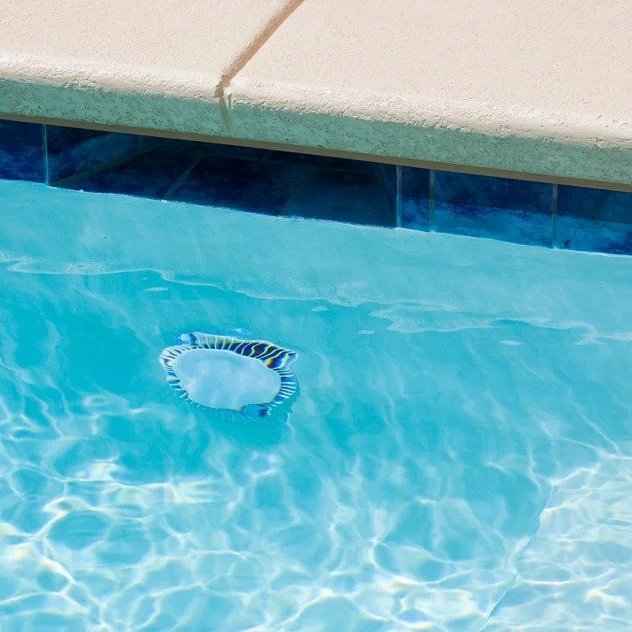
Pool filters are in charge of trapping dirt, debris, and even bacteria that would otherwise make the water unsafe and unattractive.
A pool filter might not get the glory, but it’s the unsung hero that works tirelessly behind the scenes to maintain clean, clear, and safe pool water. When you dive in on a hot summer day, you probably don’t think about the filter working overtime, but without it, your swim would be a very different experience. Pool filters are in charge of trapping dirt, debris, and even bacteria that would otherwise make the water unsafe and unattractive. Keeping them in top condition is key to guaranteeing your pool stays in prime shape, season after season.
Why Filters Are Essential
Just like any other body of water, a pool is constantly exposed to elements that can compromise its water quality. Dust, dirt, leaves, insects, and even tiny particles invisible to the naked eye all find their way into your pool. Pool filters are created to capture and remove these impurities, providing you with clean water to enjoy. The filter system works by circulating the pool water through a filter medium that traps unwanted debris, allowing clean water to pass through. Without this process, the debris would quickly accumulate, making the pool unsightly and possibly unsafe.
There are three main types of pool filters: sand, cartridge, and diatomaceous earth (DE). Each filter type works slightly differently, but all perform the essential task of keeping the pool water clean. Regardless of the type, all pool filters require regular maintenance to operate at their best.
Sand Filters
Sand filters are the most frequently used filter system. They are simple, efficient, and relatively low-maintenance. The system works by passing pool water through a tank filled with sand. The sand acts as the filtering medium, capturing dirt and debris. Over time, the sand can become clogged with particles, which is why it’s essential to backwash the filter regularly to flush out the trapped debris. Sand filters are ideal for larger pools and are known for their longevity, with some models lasting for many years.
Cartridge Filters
Cartridge filters use a replaceable cartridge element to capture debris. These filters are easy to maintain and provide a high level of filtration. While they require less water for backwashing than sand filters, cartridges need to be cleaned more frequently to keep the pool water in top shape. They are ideal for smaller to medium-sized pools and are known for offering superior filtration compared to sand filters.
Diatomaceous Earth Filters
Diatomaceous earth (DE) filters are the most efficient of the three options, providing a level of filtration that’s unmatched by sand or cartridge filters. DE filters utilize a fine powder made of the fossilized remains of tiny organisms known as diatoms. The DE powder is coated onto a filter grid, and as the water flows through it, debris is captured by the fine powder. DE filters can collect particles as small as one to three microns, making them perfect for pools that require high levels of water purity. However, DE filters need more maintenance and can be more expensive to operate than sand or cartridge filters.
Regular Maintenance Is Key
Even the best filters can’t do their job if they’re clogged, dirty, or overworked. Proper maintenance is crucial for keeping your filter functioning efficiently and extending its lifespan. While pool filters are designed to handle the heavy lifting of cleaning your pool, they need regular attention to continue working effectively.
Backwashing
For sand and DE filters, backwashing is a critical maintenance task. Backwashing reverses the flow of water through the filter to flush out the debris trapped inside. Regular backwashing keeps the filter from becoming clogged, allowing the system to continue operating at optimal performance. For most pools, backwashing is recommended every four to six weeks; however, it’s essential to consult the manufacturer’s instructions for your specific filter type.
Cleaning Cartridge Filters
Cartridge filters require cleaning to remove debris buildup. The frequency of cleaning depends on the amount of debris your pool collects, but most cartridge filters require cleaning every one to two months. To clean a cartridge filter, take out the cartridge and rinse it with a hose. For a more in-depth clean, you can soak the cartridge in a special cleaning solution to remove oils and other stubborn buildup. Be sure to replace the cartridge every one to two years, depending on wear.
Inspecting for Wear
Even with regular cleaning, pool filters can wear out over time. Regularly inspecting the filter helps identify signs of damage or deterioration. If you notice cracks in the filter tank, leaks, or poor performance despite regular maintenance, consider replacing or repairing the system. Early detection of issues prevents more significant problems down the road, such as water contamination or increased maintenance costs.
Chemical Balance Plays a Role
A properly balanced pool isn’t just about water clarity; it’s about maintaining the filter’s ability to do its job. The pool’s chemical balance impacts the filter’s performance. If the water is too acidic or alkaline, it can damage the filter medium, leading to clogging. Pool chemicals also affect the water’s ability to hold chlorine, which is essential for killing bacteria. Keeping the pool’s pH, alkalinity, and chlorine levels balanced not only contributes to a safer swimming environment but also helps the filter work efficiently.
Upgrading Your Filter System
If your filter is aging or no longer performing as well as it used to, consider upgrading. Advances in pool filter technology have made newer systems more energy-efficient and capable of handling larger amounts of debris. A new filter system could reduce the time spent cleaning the pool, save on energy costs, and improve overall water quality. Whether you choose to upgrade to a higher-efficiency filter or switch to a different type altogether, consulting with a pool service professional can help you make an informed decision tailored to your individual needs.
Professional Pool Services Keep Filters Running Smoothly
While it’s possible to handle some filter maintenance on your own, professional pool services can take the guesswork out of keeping your filter in tip-top shape. Pool service experts have the tools and knowledge to clean, inspect, and maintain your filter system, so you don’t have to worry about getting your hands dirty. Whether you need a regular check-up or a complete system overhaul, a pool service professional verifies that your filter stays in great condition and works as efficiently as possible.
The Bottom Line
Filters do the heavy lifting behind the scenes, but they can’t do their job without a bit of help from you. Regular maintenance, proper cleaning, and chemical balance all contribute to keeping the filter system running smoothly and guaranteeing that your pool stays clean and safe. Without the proper care, your filter won’t be able to handle the demands of summer, leaving you with murky water and unnecessary headaches. By staying on top of maintenance and investing in professional services when needed, you can rely on your filter to keep your pool in perfect condition, season after season.
Dog Days Pools offers a complete, one-stop solution for professional pool services in Clearwater, Safety Harbor, and surrounding areas, including pool cleaning, pool maintenance, pool repairs, and ongoing service plans. Our experienced team services residential pool systems with a focus on water quality, reliable operation, and long-term performance. Whether you need a quick pool repair or routine pool service, we provide dependable care and responsive support. Schedule your pool service today and enjoy a clean, worry-free pool year-round.